
- Ceiling Water Damage Repair: Must-Have Affordable Cost Guide
- Understanding Ceiling Water Damage Repair Costs
- Factors Influencing the Cost of Ceiling Water Damage Repair
- 1. Extent of Damage
- 2. Source of Water Damage
- 3. Type of Ceiling Material
- 4. Mold and Mildew Remediation
- 5. Labor Costs and Location
- Step-by-Step Guide to Affordable Ceiling Water Damage Repair
- Step 1: Assess the Damage Thoroughly
- Step 2: Identify and Fix the Leak Source
- Step 3: Dry the Area
- Step 4: Remove Damaged Materials
- Step 5: Repair and Restore
- Tips for Saving Money on Ceiling Water Damage Repair
- When to Call a Professional for Ceiling Water Damage Repair
- Conclusion
Ceiling Water Damage Repair: Must-Have Affordable Cost Guide
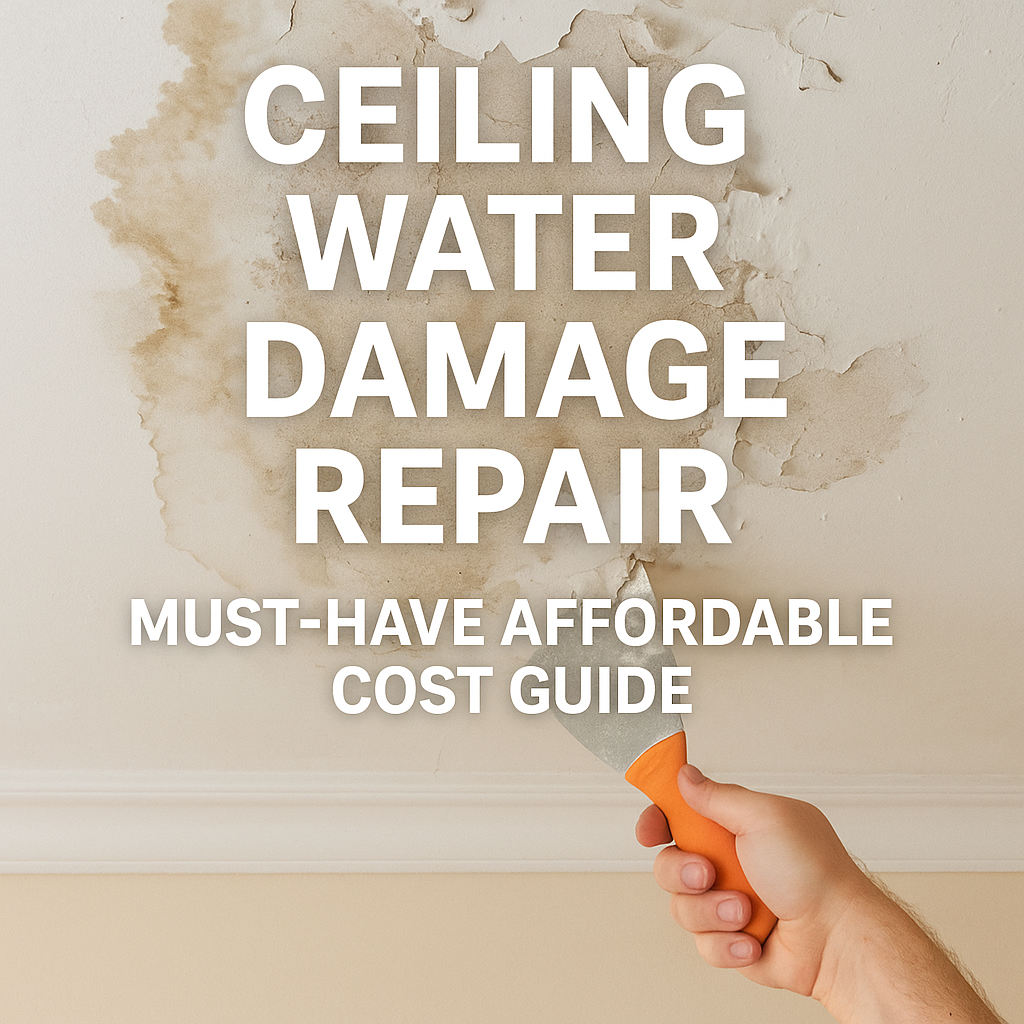
Ceiling water damage repair is a critical home maintenance task that homeowners dread but can’t ignore. Whether caused by a leaky roof, plumbing issues, or condensation, water damage on ceilings can lead to costly structural problems and health risks if not addressed promptly. Understanding the costs involved in repairing ceiling water damage can help you budget effectively and choose the right solutions without overspending. This affordable cost guide will walk you through the typical expenses, factors influencing the repair costs, and tips for managing the process efficiently.
Understanding Ceiling Water Damage Repair Costs
Before diving into repair options, it’s essential to comprehend what ceiling water damage repair entails. Water damage can affect the ceiling’s drywall, plaster, paint, insulation, wooden supports, and even electrical wiring. Repairing these components may require drying, removing damaged materials, fixing leaks, and restoring the ceiling’s appearance.
The average cost to repair ceiling water damage typically ranges from $200 to $1,000 or more, depending on the extent of damage. Simple repairs such as fixing minor stains and repainting may lie at the lower end, while extensive repairs involving structural fixes or mold remediation can push the price higher.
Factors Influencing the Cost of Ceiling Water Damage Repair
Several factors determine the overall cost of restoring a water-damaged ceiling. Understanding these can help you anticipate expenses and make informed decisions:
1. Extent of Damage
The severity of the water damage is the most significant cost driver. Small, localized spots that require patching and paint are relatively inexpensive. However, widespread damage affecting large sections of drywall or plaster will increase labor and materials costs.
2. Source of Water Damage
Identifying and fixing the source of water infiltration is crucial. Common causes include leaky roofs, plumbing failures, or HVAC issues. Repairing these sources is often necessary before addressing the ceiling itself, adding to the overall expenses.
3. Type of Ceiling Material
Different ceiling materials have varying repair costs. Drywall is inexpensive and easy to repair, while plaster ceilings or decorative ceiling tiles may require specialized skills and higher costs.
4. Mold and Mildew Remediation
Water damage often encourages mold growth, which requires thorough cleaning and possibly replacing affected materials. Mold remediation adds to the cost but is vital for health and safety.
5. Labor Costs and Location
Labor rates vary widely depending on your location and the contractor’s experience. Urban areas with higher wages typically see increased repair costs.
Step-by-Step Guide to Affordable Ceiling Water Damage Repair
If you’re looking to keep costs down while restoring your ceiling, here’s a practical approach:
Step 1: Assess the Damage Thoroughly
Start by inspecting the ceiling for discoloration, sagging, or softness. Use a flashlight to spot mold or mildew and check the attic or rooms above for leaks. If you’re unsure, hiring a professional for an assessment can prevent costly mistakes later.
Step 2: Identify and Fix the Leak Source
This is a critical step. Stopping the water source — whether fixing a leaking pipe, patching a roof, or improving ventilation — prevents recurring damage. DIY fixes may work for minor leaks, but professional help is often recommended for roofing or plumbing issues.
Step 3: Dry the Area
Use dehumidifiers, fans, and open windows to dry out the ceiling completely. Prompt drying helps prevent mold development and reduces repair costs.
Step 4: Remove Damaged Materials
Cut out the compromised drywall or plaster carefully. Remove insulation if it’s wet and check wooden support beams for rot. Proper disposal of damaged materials is essential for health and safety.
Step 5: Repair and Restore
Patch the ceiling with new drywall or plaster, tape and mud the joints, sand smooth once dry, and repaint to match the surrounding ceiling. For large damaged areas, hiring a professional painter or drywall specialist ensures a seamless finish.
Tips for Saving Money on Ceiling Water Damage Repair
While some damage requires professional attention, there are ways to minimize repair costs:
– Act quickly: The sooner you address water damage, the less extensive and expensive the repairs.
– Do minor repairs yourself: Small holes, cracks, or stains can often be fixed with a bit of DIY effort.
– Shop around for contractors: Obtain multiple quotes to find the best price without compromising quality.
– Use quality materials: Cheaper products might save money initially but can lead to repeated damage and higher long-term costs.
– Maintain your roof and plumbing: Regular inspections prevent leaks and reduce the likelihood of costly ceiling water damage.
When to Call a Professional for Ceiling Water Damage Repair
Sometimes ceiling water damage is beyond the scope of DIY repairs or minor fixes. Consider professional help if:
– You notice extensive mold growth.
– The ceiling is sagging or severely damaged.
– The leak source is difficult to identify or repair.
– Electrical wiring is exposed or wet.
– You lack confidence or time for effective repairs.
Professionals have the expertise and equipment to identify hidden damage and ensure a thorough repair, potentially saving you from more expensive problems down the road.
Conclusion
Ceiling water damage repair can seem daunting, but understanding the repair process and costs helps you manage it affordably and effectively. By quickly addressing leaks, drying affected areas, removing damaged materials, and either DIY repairing or hiring qualified pros for extensive damage, you can restore your ceiling without breaking the bank. Use this cost guide as a roadmap to protect your home and maintain a safe, attractive living space.