- What is Mould?
- What is Black Mould?
- Black Mould vs Regular Mould: Appearance and Growth Patterns
- Shocking Health Risks of Black Mould
- Are Regular Moulds Safe?
- How to Detect and Prevent Black Mould
- When to Call a Professional
- Conclusion: Stay Informed, Stay Healthy
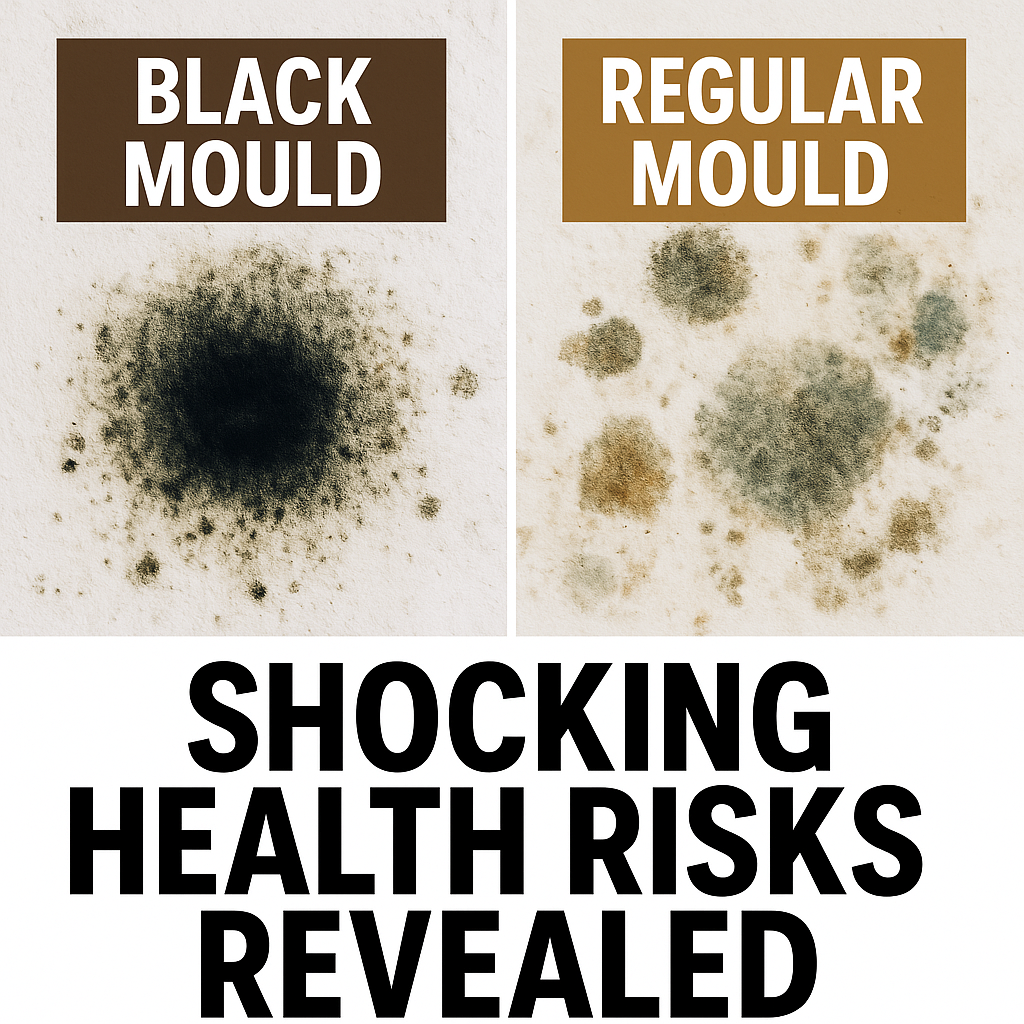
Black Mould vs Regular Mould: Shocking Health Risks Revealed
When it comes to mould in our homes, not all moulds are created equal. Understanding the differences between black mould and regular mould is crucial, especially because of the shocking health risks that black mould can pose. While mould generally thrives in damp, humid environments and can cause some nuisance, certain types like black mould carry potential health dangers that should never be overlooked.
What is Mould?
Mould is a type of fungus that grows in moist environments, feeding on organic material such as wood, drywall, or fabric. It spreads through tiny spores that float in the air and can quickly colonize damp areas inside homes, offices, or other buildings. Regular mould appears in various forms and colors—green, white, pink, or grey—and is usually harmless if managed properly.
What is Black Mould?
Black mould, scientifically known as Stachybotrys chartarum, is a specific type of mould that is often mistaken for regular mould due to its appearance. It usually presents as black or dark green patches and tends to grow on materials with high cellulose and moisture content, such as drywall, ceiling tiles, or wood that has been water-damaged.
Black Mould vs Regular Mould: Appearance and Growth Patterns
Regular mould can appear in many colors and textures and typically grows on surfaces exposed to moisture but may be easier to remove with routine cleaning methods. Black mould, on the other hand, has a slimy texture when wet and can persist in hidden areas, making it harder to detect. It also thrives in conditions of prolonged dampness, meaning infestations are often linked to unresolved leaks, flooding, or chronic humidity issues.
Shocking Health Risks of Black Mould
The primary concern with black mould is not just its unsightly appearance but the serious health risks it can pose. Black mould produces mycotoxins—chemical substances that can be harmful when inhaled, touched, or ingested. Exposure to these toxins can cause a range of symptoms, particularly in vulnerable groups such as children, elderly individuals, people with pre-existing respiratory conditions, or those with weakened immune systems.
Some of the shocking health effects linked to black mould exposure include:
– Respiratory Issues: Black mould can trigger coughing, wheezing, nasal congestion, and throat irritation. In severe cases, it can exacerbate asthma or lead to chronic bronchitis.
– Allergic Reactions: Many people are allergic to mould spores, and black mould is no exception. Symptoms include watery eyes, skin rashes, sneezing, and sinus infections.
– Toxicity Effects: Prolonged exposure to the mycotoxins can result in neurological symptoms such as headaches, dizziness, difficulty concentrating, and fatigue.
– Immune System Impact: Some studies suggest that black mould toxins may weaken the immune system, making it harder for the body to fight off infections.
– Potential Long-term Effects: While research is ongoing, there is concern that extended exposure to black mould could contribute to more severe health conditions, such as chronic lung disease.
Are Regular Moulds Safe?
While regular moulds are typically less dangerous than black mould, they can still affect health if left unchecked. Mold spores commonly cause allergic reactions, especially in sensitive individuals. Additionally, any mould growth indicates moisture problems, and prolonged exposure to mould spores can irritate the respiratory tract. It is important to address mould growth, no matter the type, to maintain a healthy indoor environment.
How to Detect and Prevent Black Mould
Detecting black mould early is vital to preventing potential health hazards. Homeowners should be vigilant for signs such as:
– A musty or earthy odor
– Dark spots on walls, ceilings, or around windows
– Water stains or leaks that encourage mould growth
– Health symptoms like persistent coughing or allergic reactions when indoors
To prevent black mould, maintain low humidity levels (ideally between 30-50%) using dehumidifiers or air conditioners. Fix leaks promptly, ensure proper ventilation in bathrooms and kitchens, and avoid carpet or wallpaper in areas prone to dampness.
When to Call a Professional
If black mould is suspected or if mould covers a large area (greater than 10 square feet), it is best to involve professional mould remediation specialists. They have the tools and expertise to safely remove mould, address the source of moisture, and ensure your environment is safe.
Conclusion: Stay Informed, Stay Healthy
Understanding black mould vs regular mould is essential for protecting your health and home. While regular mould can be a nuisance, black mould carries shocking health risks that demand immediate attention. By staying informed about mould types, recognizing the signs of infestation, and taking proactive steps to manage moisture, you can safeguard your living space and well-being against mould-related hazards. Don’t underestimate the dark patches you find—address mould issues promptly to keep your family healthy and your home safe.