
- Mould After Water Damage: The Shocking Speed It Grows Fast
- Why Does Mould Grow So Fast After Water Damage?
- The Timeline of Mould Growth After Water Damage
- Health and Property Risks of Rapid Mould Growth
- Preventing Mould Growth After Water Damage
- When to Call a Professional
- Conclusion
Mould After Water Damage: The Shocking Speed It Grows Fast
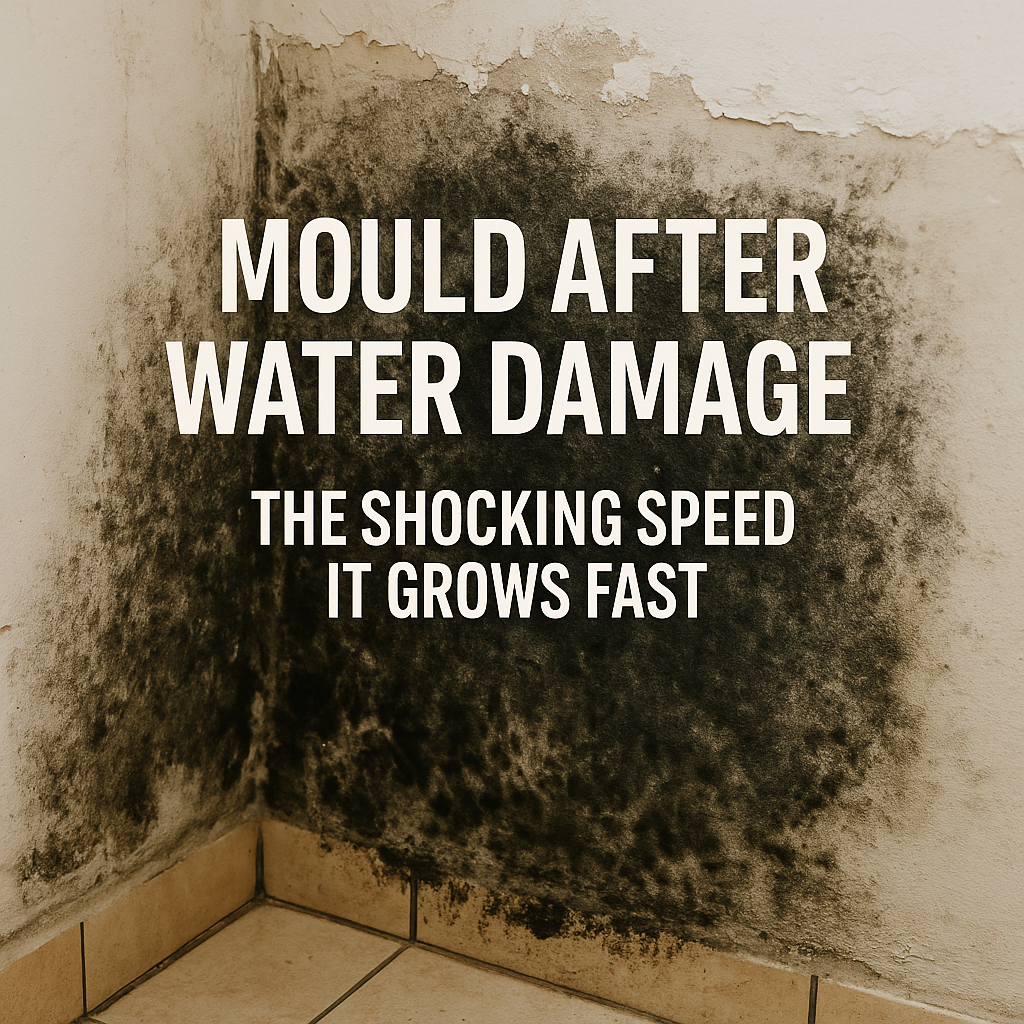
Mould after water damage is a pressing concern that homeowners and property managers often underestimate. Water damage creates the perfect environment for mould growth, and the alarming speed at which mould can establish itself makes dealing with it a race against time. Understanding why mould grows so fast after water exposure and how to prevent or mitigate it is crucial to protecting your property and health.
Why Does Mould Grow So Fast After Water Damage?
Mould spores are everywhere—in the air, on surfaces, and in dust. They remain dormant until they find a suitable environment to thrive, which usually means moisture, warmth, and organic materials like wood, drywall, or fabric. Water damage instantly provides this ideal setting. Once water saturates building materials, it creates a breeding ground for mould.
The shocking speed at which mould grows can be attributed to several factors:
– Moisture Availability: Water damage results in high humidity levels and damp materials, which mould needs to grow. Even minor moisture can trigger mould proliferation.
– Temperature: Most mould species favor temperatures between 77°F and 86°F (25°C to 30°C), common inside homes.
– Nutrient Sources: Building materials such as wood, paper, carpet, and drywall are rich in organic compounds mould can consume to multiply quickly.
Within just 24 to 48 hours of water exposure, mould spores can begin to germinate and colonize the affected area. By day three or four, visible mould growth may appear, often accompanied by a musty odor, which signals that mould has established itself significantly.
The Timeline of Mould Growth After Water Damage
Understanding the timeline helps highlight how urgent water damage cleanup is to prevent mould from becoming a serious problem.
– 0 to 24 Hours: Water soaks into materials, creating damp conditions. No visible mould yet, but spores are beginning to activate.
– 24 to 48 Hours: Mould spores start to germinate, forming hyphae (filaments that help mould spread). Early mould colonies are microscopic at this stage.
– 48 to 72 Hours: Visible mould colonies appear, especially on porous surfaces. The musty smell becomes noticeable.
– 72+ Hours: Mould growth accelerates and can spread rapidly to new areas. The damage to materials and air quality worsens.
Given this rapid progression, immediate action is critical after water damage occurs. Delays in drying the area and performing remediation give mould the upper hand.
Health and Property Risks of Rapid Mould Growth
Mould problems that develop quickly after water damage pose serious risks, both to health and property:
– Health Effects: Exposure to mould can cause allergic reactions, respiratory problems, skin irritation, and other health issues. Vulnerable groups including children, the elderly, and individuals with asthma or weakened immune systems are especially at risk.
– Structural Damage: As mould digests organic building materials, it weakens the structure. Untreated mould growth can lead to costly repairs, including replacing drywall, flooring, or wooden framing.
– Decreased Property Value: Visible mould and water damage negatively impact property value, making homes difficult to sell and requiring expensive remediation for buyers.
Preventing Mould Growth After Water Damage
Given how quickly mould can take hold, prevention is the best approach. Here are essential steps to stop mould before it starts:
1. Act Quickly: Remove standing water within 24 hours using pumps, wet vacuums, or professional water extraction services.
2. Dry Thoroughly: Use fans, dehumidifiers, and ventilation to dry wet areas completely. Target moisture levels below 60% relative humidity.
3. Remove Affected Materials: Porous or heavily contaminated materials like carpet, drywall, and insulation often require removal and replacement.
4. Disinfect Surfaces: After drying, clean hard surfaces with appropriate antifungal cleaners to kill dormant mould spores.
5. Monitor for Mould: Check for signs of mould growth over the following weeks, including discoloration, musty odors, or health symptoms.
When to Call a Professional
In cases of extensive water damage or large areas affected, professional remediation teams are often necessary. They have specialized equipment and expertise to:
– Assess the extent of mould contamination
– Safely remove contaminated materials
– Perform thorough drying and decontamination
– Prevent future mould growth with mold inhibitors
Attempting to handle large mould infestations without proper knowledge can worsen the problem or expose occupants to health risks.
Conclusion
The incredibly fast growth of mould after water damage serves as a wake-up call for anyone dealing with flooding, leaks, or moisture issues. Within days, mould can infest your home, damage property, and threaten health. Immediate response—rapid water removal, effective drying, and cleaning—is critical to stop mould before it spreads. Knowing the timeline and risks empowers you to act decisively and protect your property from the costly consequences of unchecked mould growth. If in doubt, don’t hesitate to seek professional help to ensure the job is done right the first time.