
- Initial Assessment and Safety Measures
- Water Removal and Drying
- Smoke and Soot Cleanup
- Structural Repairs and Restoration
- Content Cleaning and Salvage
- Final Inspection and Prevention Tips
- Importance of Professional Fire Damage Restoration
- Conclusion
Fire Damage Restoration Process: Must-Have Steps for Fast Recovery
The fire damage restoration process is a critical series of steps that homeowners and business owners must understand to ensure a swift and effective recovery after a fire incident. Fires can be devastating, causing structural, smoke, and water damage, as well as emotional distress. Knowing what to expect and acting promptly can help reduce losses and restore your property back to its pre-fire condition as quickly as possible.
In this article, we will walk you through the essential steps of the fire damage restoration process, highlighting key actions necessary for fast and efficient recovery.
Initial Assessment and Safety Measures
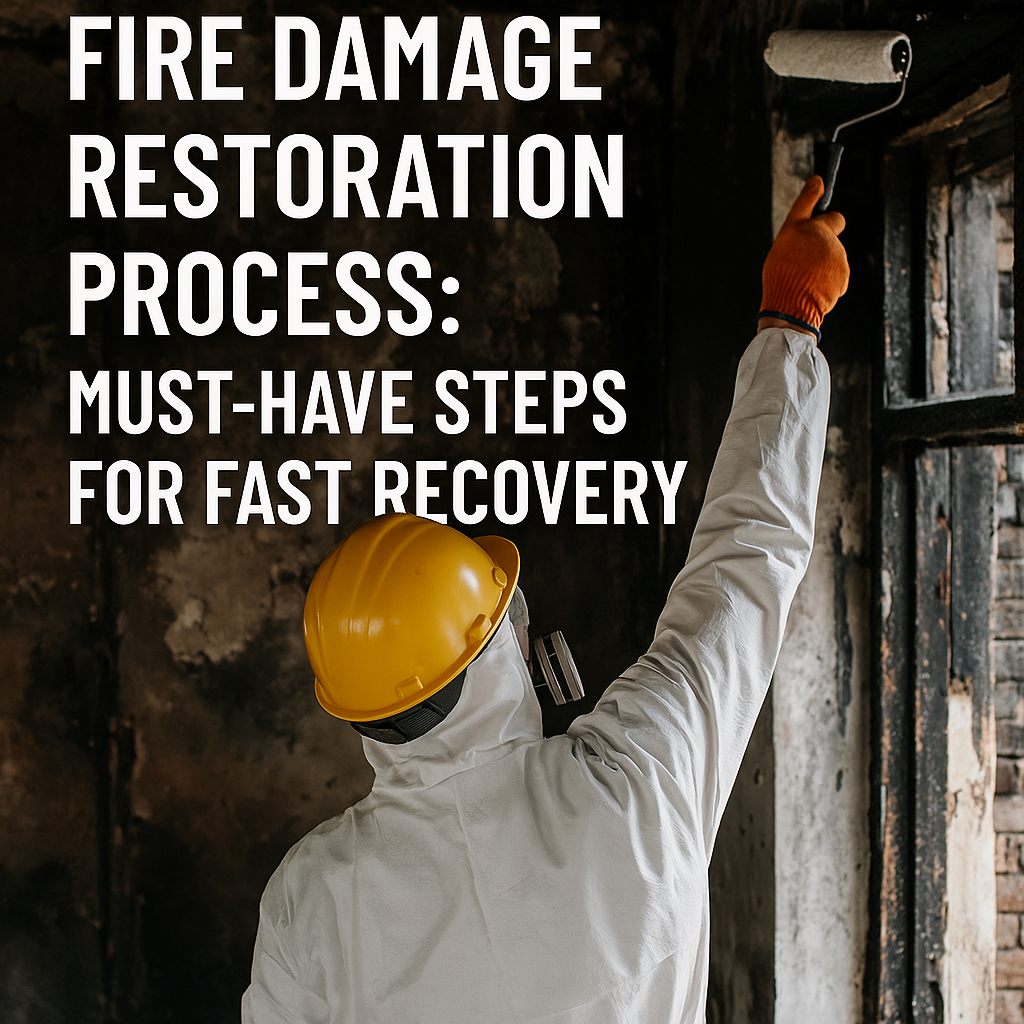
Following a fire, the first priority is safety. The fire damage restoration process begins with a thorough assessment by certified professionals who evaluate the extent of the damage. This inspection is vital to identify structural hazards, areas contaminated by smoke or soot, and potential threats such as electrical issues or weakened supports.
During this stage, restoration experts will also secure the property by boarding up broken windows, doors, and damaged roofs to prevent further damage caused by weather or unauthorized entry.
Water Removal and Drying
One aspect of fire damage restoration that is sometimes overlooked is water damage. Firefighters often use significant amounts of water to extinguish flames, which can lead to water pooling in carpets, walls, and flooring.
The restoration team will deploy specialized equipment like pumps, wet/dry vacuums, and dehumidifiers to remove standing water and dry the structure thoroughly. This phase is critical to preventing mold growth and further deterioration of building materials.
Smoke and Soot Cleanup
Smoke and soot permeate deeply into walls, furniture, and ventilation systems. The smoke damage often leaves unpleasant odors and stains, which require professional treatment.
Technicians use industrial-grade cleaning agents and specialized techniques to remove soot from surfaces, clean HVAC ducts, and neutralize lingering odors. Odor removal might involve ozone treatments or thermal fogging, which help eliminate smoke particles that regular cleaning cannot reach.
Structural Repairs and Restoration
After cleaning, the focus shifts toward the structural repair and restoration phase. This step involves replacing damaged drywall, insulation, flooring, and other building materials compromised by fire, water, or smoke.
Licensed contractors will work closely with the restoration team to rebuild any affected areas according to building codes and safety standards. Effective project management at this stage ensures that repairs are conducted swiftly and correctly, minimizing downtime for occupants.
Content Cleaning and Salvage
In addition to structural elements, personal belongings and valuables may have been affected by the fire. The restoration process includes a careful evaluation of items that can be salvaged, such as furniture, clothing, electronics, and important documents.
Professional cleaning methods like ultrasonic cleaning, dry cleaning, or chemical treatments are used depending on the item and level of damage. Restoring sentimental and valuable possessions is an essential emotional component of recovery for many victims.
Final Inspection and Prevention Tips
Once the repairs and cleaning are complete, a final inspection is conducted to verify the property’s safety and habitability. Technicians double-check that all areas are thoroughly cleaned, odors removed, and repairs have been properly executed.
Furthermore, fire damage restoration companies often provide homeowners with prevention tips to reduce the risk of future fires. Recommendations may include installing smoke detectors, creating evacuation plans, and professional maintenance of electrical and heating systems.
Importance of Professional Fire Damage Restoration
Attempting to handle fire damage cleanup without professional help can result in incomplete cleaning, hidden hazards, or additional damage. Fire restoration specialists bring experience, certified equipment, and expertise to the process, ensuring a comprehensive recovery.
Emergency fire damage restoration services are available 24/7, recognizing that time is a critical factor in minimizing losses. Immediate response mitigates secondary damages like mold or structural deterioration, ultimately saving you money and giving peace of mind.
Conclusion
Understanding the fire damage restoration process is vital for those who face the aftermath of a fire. From initial assessment and water removal to smoke cleanup and structural repairs, each step plays a crucial role in a fast and effective recovery. Engaging licensed professionals ensures that your property is restored safely and efficiently, helping you move forward from a challenging situation with confidence.
If you have recently experienced fire damage, don’t delay in contacting a trusted restoration company to begin the recovery process—it’s your first step toward rebuilding and reclaiming your home or business.