
- Understanding Your Document Water Damage Insurance Coverage
- Immediate Actions to Take After Water Damage Occurs
- Filing a Claim: Essential Tips for Document Water Damage Insurance
- Preventive Measures to Reduce Risk and Insurance Hassles
- Conclusion
Document Water Damage Insurance: Must-Have Claims Assistance Tips
Document water damage insurance is an essential safeguard for businesses and individuals who rely on important paperwork, files, and records. Water damage—from flooding, leaks, or accidental spills—can cause irreversible harm to critical documents, leading to costly recoveries, replacements, and potential operational setbacks. Understanding how to navigate insurance claims effectively can make a significant difference in minimizing losses and ensuring swift restitution.
In this article, we will explore key tips and best practices that will help you successfully file and manage claims related to water-damaged documents, ensuring you get the most out of your insurance coverage.
Understanding Your Document Water Damage Insurance Coverage
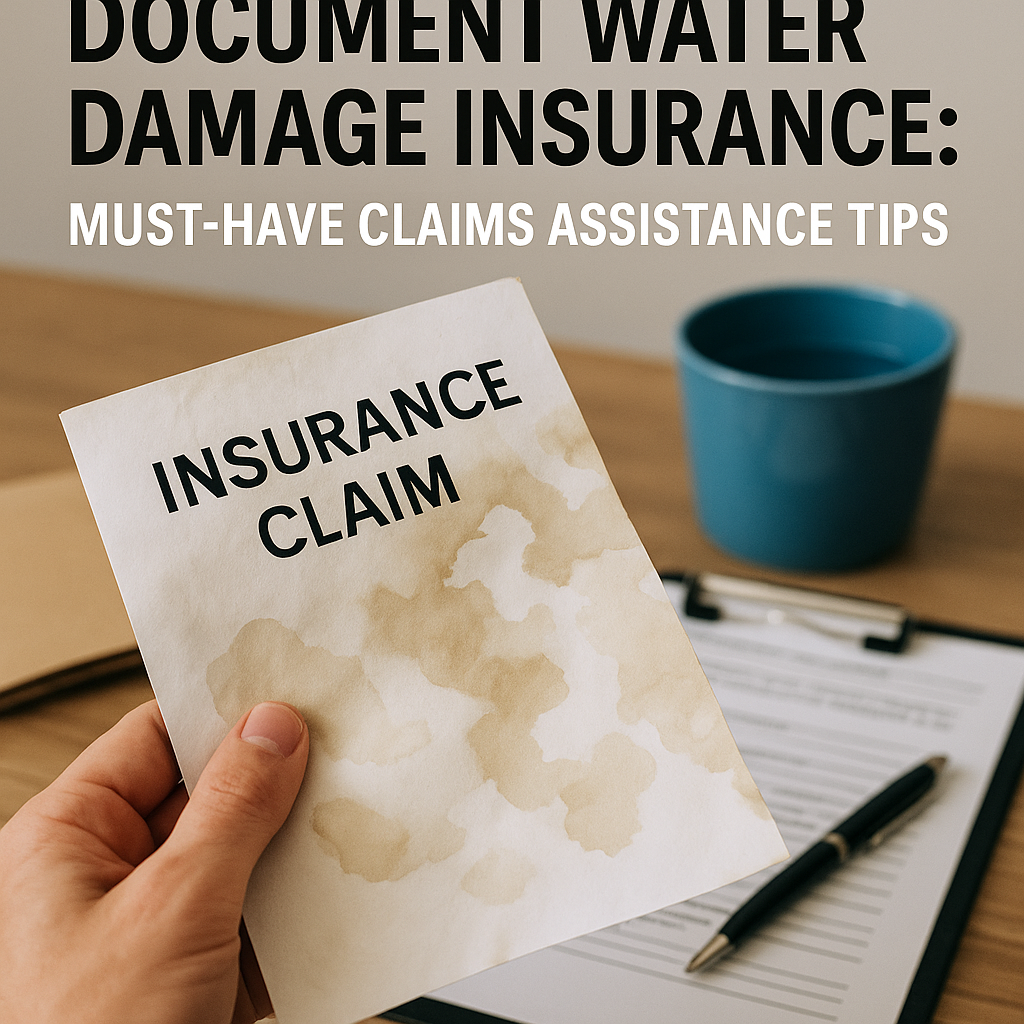
Before diving into claims, it’s crucial to understand what your insurance policy covers. Document water damage insurance typically protects against damage caused by burst pipes, flooding, water seepage, or firefighting efforts that result in water-related harm.
However, the extent of coverage can vary widely based on the policy provider and plan specifics. Some policies cover physical damage to documents, while others might also cover costs related to document restoration or digital recovery services. Knowing the details ahead of time will prepare you for what to expect during the claims process and prevent surprises.
Immediate Actions to Take After Water Damage Occurs
When water damage hits your documents, time becomes your biggest enemy and ally. The faster you act, the better the chances of salvaging vital papers. Here are the immediate steps you should follow:
– Stop Further Water Exposure: Identify and address the source of water intrusion promptly. For example, shut off burst pipes or contain flooding.
– Document the Damage: Take photos or videos that clearly show the affected documents and surrounding areas. This visual evidence supports your insurance claim.
– Preserve What You Can: Carefully remove damaged materials to a dry, ventilated area. If possible, use absorbent materials or freeze wet documents to slow deterioration.
– Notify Your Insurance Provider: Inform your insurer about the incident as soon as possible to begin the claims process. Early communication can expedite inspection and assistance.
Filing a Claim: Essential Tips for Document Water Damage Insurance
Navigating the insurance claim process can feel overwhelming, but keeping these key points in mind will enhance your chances of success:
– Review Your Policy Thoroughly: Understand coverage limits, deductibles, and claim deadlines. This knowledge will help you anticipate out-of-pocket expenses and timing requirements.
– Compile Detailed Inventories: Create an accurate list of all damaged documents, including quantity, descriptions, dates, and estimated value. Attach any purchase receipts or provenance that strengthen your claim.
– Submit Complete Documentation: In addition to your damage inventory and photos, provide any police reports, professional assessments, or quotes for restoration services to support the claim.
– Maintain Communication Logs: Keep records of all conversations with your insurance adjuster, including dates, names, and outcomes. This documentation will be valuable if disputes arise.
– Seek Professional Help if Needed: Consider hiring a water damage restoration expert or a public insurance adjuster to assist with assessment and negotiation.
Preventive Measures to Reduce Risk and Insurance Hassles
While insurance is a safety net, prevention is always preferable. Implementing measures to protect your documents from water damage can reduce the frequency and severity of claims:
– Store Documents Safely: Use waterproof containers or file cabinets elevated off the floor, especially in basements or flood-prone areas.
– Digitize Records: Maintain digital copies of important documents stored securely in the cloud or on external drives. This ensures access even if physical originals are lost.
– Routine Maintenance Checks: Perform regular inspections on plumbing, roofs, windows, and building foundations to catch leaks early.
– Create an Emergency Plan: Develop protocols for handling water damage incidents, including employee training, quick response teams, and contact lists for emergency services.
Conclusion
Experiencing water damage to essential documents can be stressful and disruptive, but having the right insurance and knowing how to claim effectively can ease the burden. By understanding your coverage, responding swiftly, filing thorough and accurate claims, and taking preventive steps, you position yourself to protect your valuable records and recover losses efficiently.
Document water damage insurance is more than a policy—it’s a vital tool in your risk management strategy. Take proactive action today to safeguard your documents and ensure you have the right support when you need it most.