
- Water Damage Restoration BC: Must-Have Timeline for Fast Results
- Immediate Actions: The First 24 Hours
- 24 to 48 Hours: Water Extraction and Drying
- 3 to 5 Days: Structural Repairs and Mold Prevention
- One Week and Beyond: Final Inspection and Prevention Strategies
- Why Following a Water Damage Restoration Timeline Matters in BC
- Conclusion
Water Damage Restoration BC: Must-Have Timeline for Fast Results
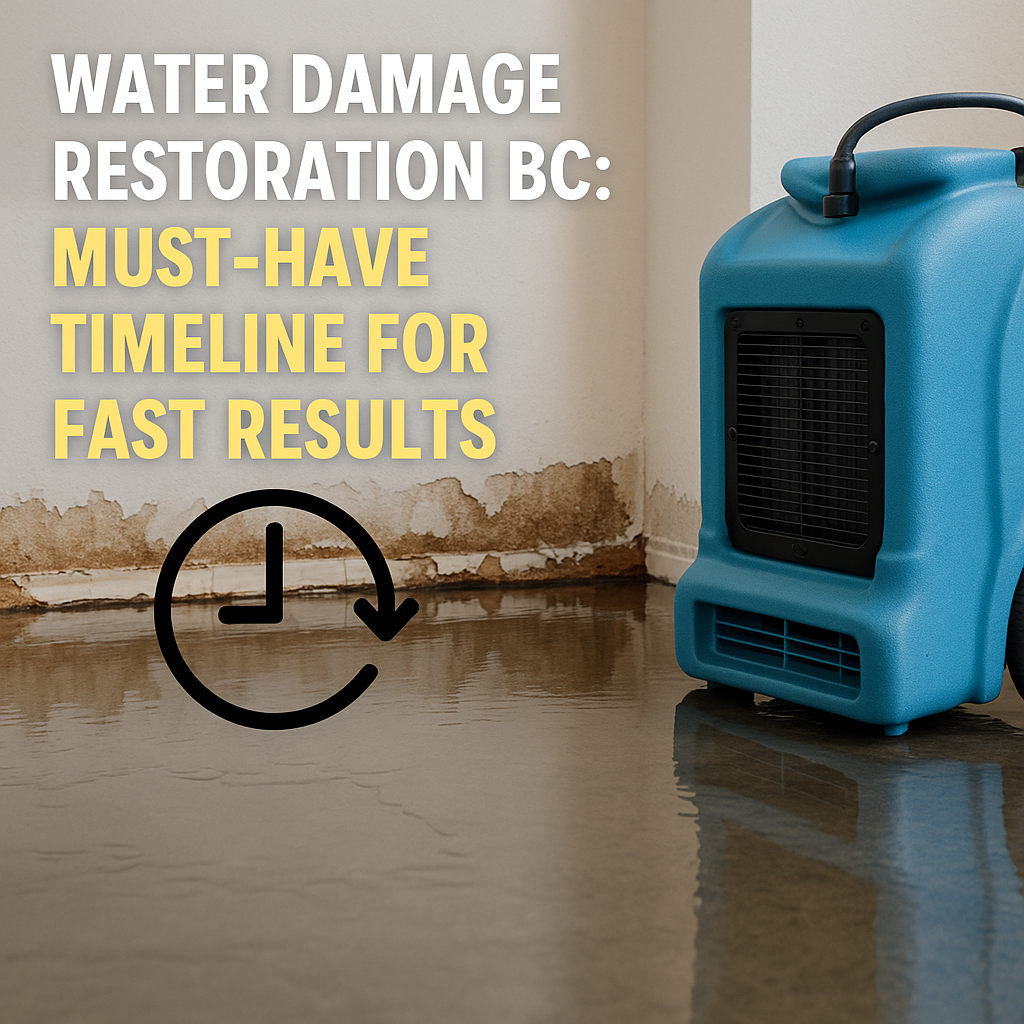
Water damage restoration BC is a critical service for homeowners and businesses facing the devastating effects of water intrusion. Whether caused by flooding, plumbing leaks, or natural disasters, water damage can lead to structural issues, mold growth, and health risks if not addressed promptly. Acting quickly with a well-defined timeline ensures the most effective restoration and minimizes long-term damage. This article outlines the must-have timeline for fast and successful water damage restoration in BC, helping property owners regain control and restore their spaces efficiently.
Immediate Actions: The First 24 Hours
When water damage occurs, time is of the essence. The first 24 hours are crucial in preventing further deterioration. Immediately after discovering water damage, it’s important to take these key steps:
– Ensure Safety First: Turn off electrical power in affected areas to prevent electrical hazards. Avoid contact with contaminated water.
– Stop the Water Source: Identify and stop the source of water to prevent continuous flooding, whether it’s a burst pipe, leaking roof, or external flooding.
– Document the Damage: Take photographs and video evidence for insurance claims and tracking restoration progress.
– Contact a Professional Water Damage Restoration Company: Expert responders in BC can assess the situation, mitigate the damage quickly, and deploy professional drying and dehumidification equipment.
This initial response is critical to minimizing damage and setting the stage for effective restoration.
24 to 48 Hours: Water Extraction and Drying
Once professionals arrive, the next phase involves structural water removal and drying. Within 24 to 48 hours after water intrusion, expedited water extraction starts:
– Water Removal: Using industrial pumps and vacuums, specialists remove standing water from carpets, floors, and other surfaces.
– Drying and Dehumidification: High-powered fans and dehumidifiers target moisture trapped inside walls, flooring, and furniture. This step prevents swelling, warping, and mold growth.
– Preliminary Cleaning: Surface cleaning helps reduce contamination and odors, preparing the environment for further restoration.
Staying on this timeline ensures that moisture does not penetrate deeper into building materials, which can cause extensive damage and raise restoration costs.
3 to 5 Days: Structural Repairs and Mold Prevention
After thorough drying and moisture testing confirm the space is suitable, restoration moves into repair mode. During days 3 to 5, focus shifts to:
– Assessing Structural Damage: Professionals inspect for weakened drywall, floorboards, insulation, and other materials.
– Mold Remediation: If mold is detected or anticipated, remediation efforts begin immediately using safe, effective methods to remove spores and prevent regrowth.
– Making Necessary Repairs: This can include replacing damaged drywall, repairing flooring, and restoring electrical or HVAC systems affected by water.
Adhering to this stage in the timeline is essential to restore the property to its pre-damage condition and ensure safety for occupants.
One Week and Beyond: Final Inspection and Prevention Strategies
By the end of the first week, restoration should be near completion, but ongoing steps still play a role:
– Final Inspection: A thorough walkthrough confirms all moisture has been eradicated and repairs meet quality standards.
– Preventative Measures: Recommendations might include installing sump pumps, waterproofing basements, or repairing gutters to stop future water intrusion.
– Insurance and Documentation: Submitting completed documentation to insurance providers accelerates claim processes and helps cover restoration costs.
Owners should also monitor the property for signs of lingering moisture or mold in the weeks following restoration and report any issues promptly.
Why Following a Water Damage Restoration Timeline Matters in BC
British Columbia’s unique climate, with wet winters and potential for heavy rainfalls, elevates the risk of water damage. Having a clear, actionable timeline tailored by local restoration experts ensures residents and businesses address water damage swiftly and methodically.
Delaying any step in the restoration process risks:
– Mold Proliferation: Mold can begin growing in as little as 24 to 48 hours.
– Structural Compromise: Water can weaken load-bearing components and damage electrical systems.
– Health Hazards: Prolonged moisture exposure encourages bacterial growth, allergens, and poor indoor air quality.
Therefore, relying on professional water damage restoration services that adhere to an efficient timeline is the best defense against expensive repairs and long-term problems.
Conclusion
Water damage restoration BC requires rapid, organized action following a well-established timeline to secure fast and effective results. From immediate response and water extraction to drying, repairs, and prevention, every step plays a vital role in safeguarding your property. By understanding and implementing this must-have timeline, property owners in British Columbia can mitigate damage, expedite recovery, and restore their homes and workplaces with confidence. When the unexpected strikes, swift restoration prevents water damage from turning into a disaster.