
- Insurance Coverage for Mould Removal in BC: Must-Know Rules
- Understanding Mould Issues in BC Homes
- What Does Standard Home Insurance Cover Regarding Mould?
- Filing a Claim for Mould Removal: Important Steps
- Limitations and Exclusions to Keep in Mind
- Can You Enhance Your Coverage for Mould?
- Preventive Measures to Minimize Mould Risk and Insurance Issues
- Conclusion
Insurance Coverage for Mould Removal in BC: Must-Know Rules
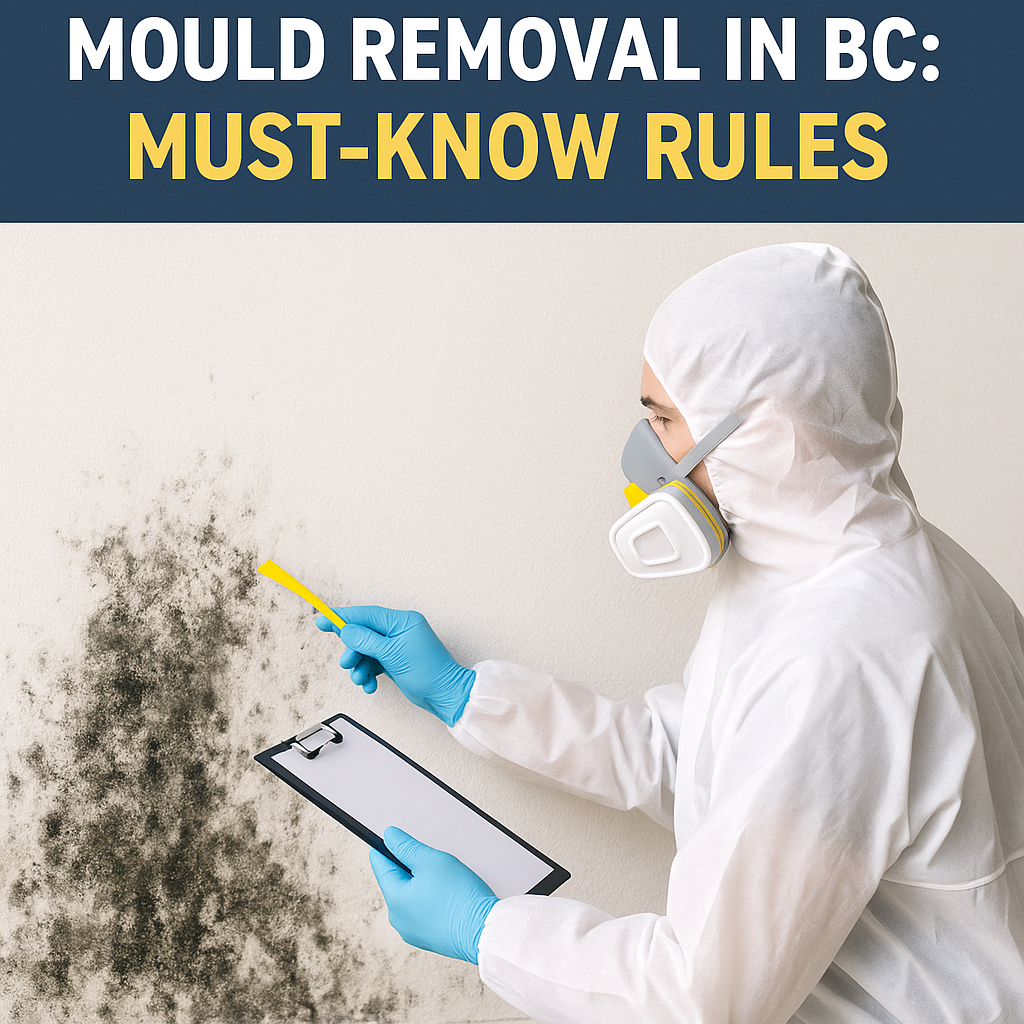
Insurance coverage for mould removal in BC is a critical topic that homeowners and renters alike need to understand. Mould growth can cause serious health problems and damage property, making timely removal essential. However, many people are unaware of what their insurance policies actually cover when it comes to mould. Knowing the must-know rules surrounding insurance coverage for mould removal in British Columbia can help you navigate claims more confidently and protect your home effectively.
Understanding Mould Issues in BC Homes
British Columbia’s climate, particularly in coastal areas, can create the perfect conditions for mould growth, including high humidity and frequent rainfall. Mould often develops in hidden places such as behind walls, under floors, or in poorly ventilated bathrooms. It can cause structural damage by weakening materials and, more importantly, pose health risks by triggering allergies and respiratory issues.
When mould appears, many homeowners naturally turn to their insurance company for help with cleanup costs, but the reality of coverage can be complex and varies significantly between policies.
What Does Standard Home Insurance Cover Regarding Mould?
Most standard home insurance policies in BC generally cover mould damage only if it results from a peril that is itself covered under the policy. For example, if mould develops due to water damage caused by a burst pipe, the insurance might cover the water damage and potentially some associated mould removal. However, if the mould is due to neglected maintenance issues like ongoing dampness or leaks that were not addressed, coverage is unlikely.
Common covered events that may trigger mould coverage include:
– Sudden water damage from burst pipes
– Water overflow from appliances like washing machines or refrigerators
– Storm-related water intrusion
It is essential to understand that insurance companies often exclude mould growth that results from long-term neglect or gradual water damage. This means preventive maintenance and early repairs are crucial both for health and to ensure coverage eligibility.
Filing a Claim for Mould Removal: Important Steps
If you suspect mould growth and believe it may be covered by your insurance, follow these steps to increase the likelihood of a successful claim:
1. Act Quickly and Document Everything: Take photos and videos of the affected areas as soon as you notice mould. Timely action is critical, as insurance companies expect homeowners to mitigate damage and avoid worsening conditions.
2. Report the Damage Promptly: Notify your insurance provider as soon as possible. Delays in reporting may result in denied claims, as many policies require prompt notification.
3. Get a Professional Inspection: Have a licensed mould inspector or remediation specialist assess the damage and provide a formal report. This helps establish the cause of mould and whether it relates to a covered peril.
4. Follow Insurance Requirements: Each insurer may have specific guidelines regarding removal and repair processes. Ensure you comply, including obtaining multiple repair estimates if required.
Limitations and Exclusions to Keep in Mind
Insurance policies often contain explicit exclusions related to mould. Some common limitations include:
– Coverage caps on mould-related claims (e.g., only up to a certain dollar amount)
– Exclusion of mould that results from gradual wear and tear, poor maintenance, or unresolved moisture problems
– Requirement that the source of water damage must be sudden and accidental to qualify
Due to these limitations, many British Columbians are surprised to find they need to pay out of pocket for significant mould removal projects. This is why understanding your individual policy details is imperative.
Can You Enhance Your Coverage for Mould?
Given the challenges around mould coverage, some insurers offer optional endorsements or riders to expand protection for mould-related issues. These add-ons may increase coverage limits or eliminate certain exclusions but typically come with higher premiums.
When shopping for home insurance in BC, consider asking providers about mould protection options. If you live in an area prone to moisture problems, this can offer peace of mind.
Preventive Measures to Minimize Mould Risk and Insurance Issues
Prevention is always better than cure. By keeping your home well-maintained and free from moisture accumulations, you reduce the likelihood of mould formation and ensuing insurance headaches. Some practical tips include:
– Fix leaks promptly — whether in plumbing, roofing, or windows.
– Use dehumidifiers in damp areas, especially basements and crawl spaces.
– Ensure proper ventilation in bathrooms and kitchens.
– Clean and dry any water-damaged materials within 24-48 hours.
– Regularly inspect your property for signs of moisture or mould.
Being proactive not only protects your health and property but also shows insurance providers that you take care of your home, which can smooth claims processes.
Conclusion
Insurance coverage for mould removal in BC involves understanding the fine print in your policy and acting quickly when problems arise. While some mould-related damages are covered, many are excluded, especially those stemming from neglect or gradual moisture buildup. Homeowners should familiarize themselves with common exclusions, document any issues, and consider preventative measures to reduce risk.
Ultimately, knowing these must-know rules about mould and insurance can save you money, reduce stress, and ensure your home remains safe and healthy. For anyone facing mould problems, contacting your insurer early and consulting professionals for proper assessment are critical first steps toward effective resolution.