
- Insurance Cover Mould Removal: Must-Have Tips for Local Laws
- Understanding Insurance Cover for Mould Removal
- Checking Local Laws Regarding Mould and Insurance
- Tips for Maximizing Insurance Cover Mould Removal Approval
- The Role of Prevention in Insurance and Legal Compliance
- Conclusion
Insurance Cover Mould Removal: Must-Have Tips for Local Laws
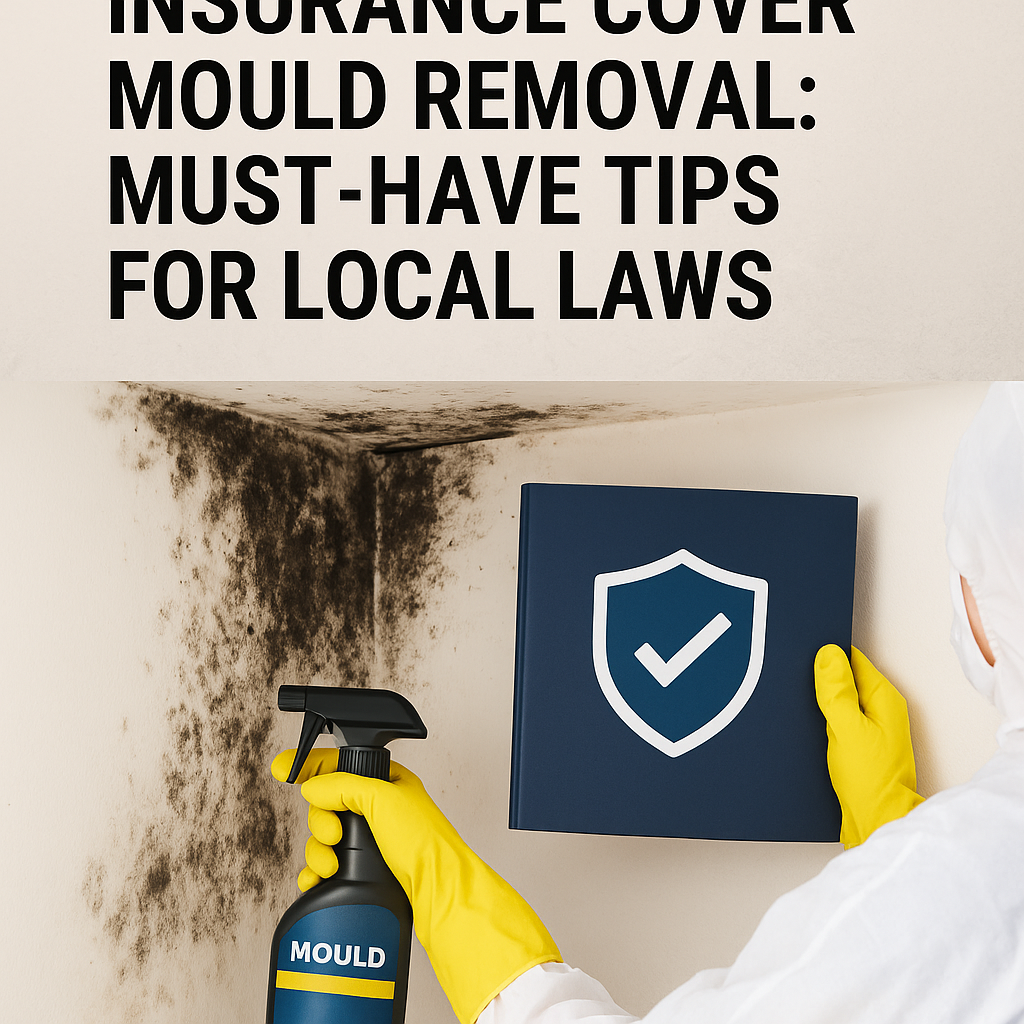
Insurance cover mould removal is an important aspect for homeowners and renters alike to understand, especially when dealing with unwelcome mould growth. Mould is more than just an eyesore; it poses health risks and can cause significant damage to properties if left untreated. However, getting insurance to cover mould removal is often a complex matter influenced by local laws and policy terms. This article offers must-have tips to help you navigate the challenges of insurance coverage for mould removal within the legal framework of your area.
Understanding Insurance Cover for Mould Removal
Before tackling local regulations, it’s vital to grasp how insurance cover mould removal works generally. Most standard home insurance policies differentiate between sudden damage and damage resulting from neglect or maintenance issues. For example, if mould develops due to a burst pipe or water leak that is sudden and accidental, your insurer might cover the cost of removing the mould and repairing the damage. Conversely, if mould results from long-term dampness or lack of ventilation, coverage is often denied.
Understanding your insurance provider’s position on mould claims is the first step toward a successful resolution. Review your policy’s fine print, paying attention to sections relating to water damage, maintenance responsibilities, and mould-specific clauses. Some insurers offer add-ons or “riders” for mould coverage, which can be worthwhile if your area is prone to humidity or flooding.
Checking Local Laws Regarding Mould and Insurance
Local laws play a fundamental role in how insurance claims for mould removal are processed. Many jurisdictions require landlords or property owners to maintain habitable living conditions, which includes addressing mould issues promptly. In these areas, failing to remove mould or mitigate its cause may violate health and safety codes, impacting insurance decisions.
It’s important to consult local housing and building codes to understand your legal responsibilities, whether you own or rent your home. Some regions have specific legislation that mandates insurance companies to consider mould damage claims under certain conditions. For example, local laws might stipulate that mould caused by natural disasters like floods is covered, or prescribe timelines for mould remediation.
In addition, some states or municipalities require insurers to provide clear information about mould coverage to policyholders. Familiarizing yourself with these frameworks not only aids your claim but ensures you comply with legal requirements, avoiding potential penalties.
Tips for Maximizing Insurance Cover Mould Removal Approval
1. Document the Damage Thoroughly
Photographs, videos, and dated notes are essential to prove the extent and cause of the mould. If mould is due to sudden water damage, such as a leaking roof from a storm, evidence will strengthen your claim.
2. Act Quickly to Mitigate Damage
Local laws often expect homeowners to take reasonable steps to limit the spread of mould once detected. Calling a professional for assessment or remediation swiftly can demonstrate responsibility.
3. Consult Professionals
Licensed mould inspectors and removal specialists can provide detailed reports necessary for insurers and legal compliance. Moreover, professional remediation ensures that the mould problem is resolved according to local safety standards.
4. Review Your Policy Regularly
Insurance policies can change over time. Make it a habit to read updates and talk to your agent about coverage options specific to mould. Adding endorsements might be necessary depending on regional risks.
5. Know Your Rights as a Tenant or Landlord
If renting, local laws might allow tenants to request repairs or even withhold rent when mould affects habitability. Landlords should be aware of their remediation duties—failure to comply can influence insurance outcomes and legal actions.
The Role of Prevention in Insurance and Legal Compliance
Preventing mould growth is not only healthier and cost-effective but can also simplify dealings with insurance companies and regulators. Simple measures like installing proper ventilation, repairing leaks promptly, using dehumidifiers, and maintaining gutters can reduce moisture accumulation—the primary mould catalyst.
Insurance providers appreciate risk management, and demonstrating proactive maintenance could lend credibility to your claim or even lower premiums over time. Local authorities may also require proof of preventative actions when handling mould-related disputes.
Conclusion
Navigating insurance cover mould removal under varying local laws can be challenging but manageable with the right knowledge. Understanding your insurance policy’s coverage, knowing local regulations, documenting damage and actions, and involving professionals are key strategies. Additionally, prevention plays a crucial role not just for property and health but also in maintaining a positive relationship with your insurer and complying with the law.
By following these must-have tips, homeowners and renters can better protect themselves against the costly impacts of mould while aligning with legal requirements. Mould problems are stressful, but with preparation and an informed approach, removing them doesn’t have to be a drawn-out battle with insurance providers or authorities.