
- Understanding Mould and Why You Should Act Fast
- Essential Tools and Materials to Remove Mould Yourself
- Step-by-Step Guide to Remove Mould Yourself
- 1. Ensure Proper Ventilation and Protection
- 2. Identify the Affected Areas
- 3. Clean the Surface Thoroughly
- 4. Apply Natural Mold Killers
- 5. Use Baking Soda as a Final Step
- 6. Dry the Cleaned Surfaces Completely
- 7. Dispose of Contaminated Materials Properly
- Preventative Tips to Stop Mould from Returning
- When to Call in Professionals
- Conclusion
Remove Mould Yourself: Must-Have DIY Tips for Effortless Cleanup
Remove mould yourself and take control of your home’s health and cleanliness with straightforward, effective strategies. Mould is an unwelcome guest that can thrive in damp or poorly ventilated areas, posing not only an aesthetic issue but also potential health risks. Fortunately, tackling mould doesn’t always require professional intervention. With the right techniques, tools, and preventive measures, you can confidently remove mould yourself and keep your living space safe and fresh.
Understanding Mould and Why You Should Act Fast
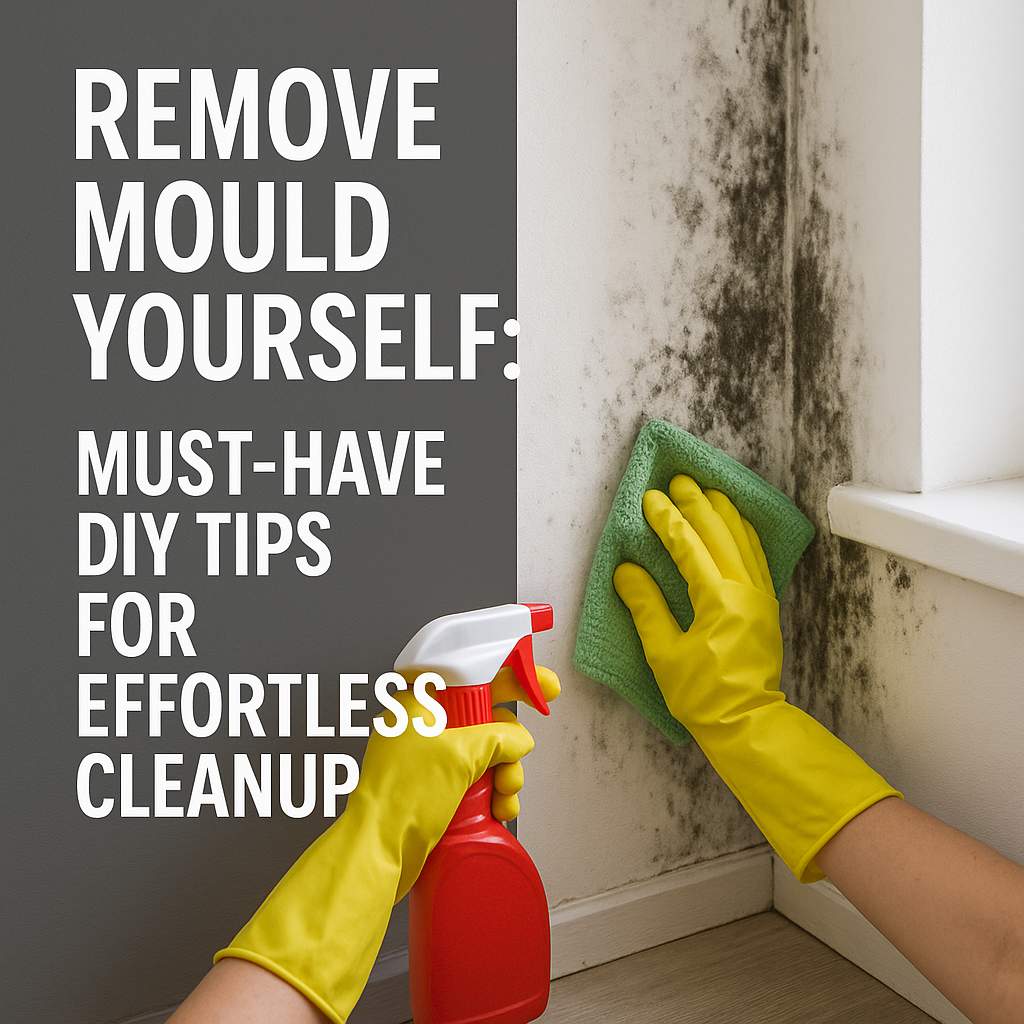
Before diving into the cleanup process, it’s essential to understand what mould is and why timely removal matters. Mould is a type of fungus that thrives in moist environments. It spreads through tiny spores released into the air, which can trigger allergies, respiratory issues, and other health complications, especially in sensitive individuals such as children, elderly adults, or those with asthma.
Ignoring mould growth allows it to penetrate surfaces, making removal increasingly difficult and expensive over time. Early intervention not only protects your health but also preserves the integrity of your home’s structure.
Essential Tools and Materials to Remove Mould Yourself
To efficiently remove mould yourself, having the right supplies on hand can make a significant difference. Here’s a list of must-have items for your DIY mould cleanup:
– Protective gear: gloves, goggles, and a mask (N95 respirator recommended)
– Detergent or mild soap
– White vinegar or hydrogen peroxide (natural mould killers)
– Baking soda
– Spray bottles
– Scrub brushes or sponges
– Cloths or disposable paper towels
– Bucket of warm water
– Plastic bags for disposal
By preparing these tools ahead of time, you’ll ensure a safer and smoother mould removal process.
Step-by-Step Guide to Remove Mould Yourself
1. Ensure Proper Ventilation and Protection
Open windows and doors to improve airflow and reduce spore concentration in the air. Always wear your protective gear to avoid skin and respiratory irritation.
2. Identify the Affected Areas
Start by locating visible mould patches on walls, ceilings, bathroom tiles, window frames, or any other damp areas. Keep in mind that mould often hides behind furniture or under sinks where moisture accumulates.
3. Clean the Surface Thoroughly
Prepare a cleaning solution by mixing detergent with warm water. Apply it liberally to the mouldy surface using a sponge or brush. Scrub gently to remove mould from non-porous surfaces. For porous materials like ceiling tiles or drywall, removal might require replacing the affected section if the infestation is severe.
4. Apply Natural Mold Killers
After initial cleaning, apply white vinegar or hydrogen peroxide using a spray bottle directly on the mould patches. These substances help eliminate remaining spores and prevent regrowth. Let the solution sit for at least 10 to 15 minutes before wiping it away.
5. Use Baking Soda as a Final Step
For stubborn spots, baking soda is an excellent natural deodorizer and mould inhibitor. Create a paste with baking soda and water, apply to the area, scrub gently, and rinse. Alternatively, sprinkle baking soda on the damp surface and scrub afterward.
6. Dry the Cleaned Surfaces Completely
Mould thrives in moist environments, so drying the area thoroughly is crucial to prevent return. Use fans, dehumidifiers, or open windows to accelerate drying.
7. Dispose of Contaminated Materials Properly
Place all used cloths, sponges, and any removed mouldy items into sealed plastic bags before discarding them. This prevents spores from spreading while cleaning.
Preventative Tips to Stop Mould from Returning
The key to long-term mould control lies in prevention. Here are some practical steps you can adopt to minimize future growth:
– Keep indoor humidity levels below 60% using dehumidifiers or air conditioners.
– Fix leaks and address water damage immediately.
– Improve ventilation in damp-prone areas like bathrooms and kitchens by installing exhaust fans or regularly opening windows.
– Clean and dry wet items promptly, such as towels, carpets, and upholstery.
– Use mould-resistant paints and materials during renovations.
When to Call in Professionals
While DIY mould removal works well for small and manageable infestations, some situations warrant expert help. If the mould covers a large area (greater than 10 square feet), penetrates HVAC systems, or causes significant structural damage, professional remediation ensures safe and thorough cleanup.
Conclusion
Remove mould yourself with confidence by following these must-have DIY tips, combining proper cleaning techniques, natural remedies, and preventative measures. Taking prompt action not only protects your home but also safeguards your family’s well-being. With regular maintenance and vigilance, you can keep mould at bay and maintain a healthier living environment all year round.