
- Fire & Smoke Damage: Must-Have Tips for Fast, Affordable Cleanup
- Assessing the Extent of Fire & Smoke Damage
- Immediate Steps for Fast Cleanup After Fire & Smoke Damage
- Affordable Cleaning Solutions for Fire & Smoke Damage
- When to Call Professionals for Fire & Smoke Damage Cleanup
- Preventative Measures to Minimize Future Fire & Smoke Damage
- Final Thoughts
Fire & Smoke Damage: Must-Have Tips for Fast, Affordable Cleanup
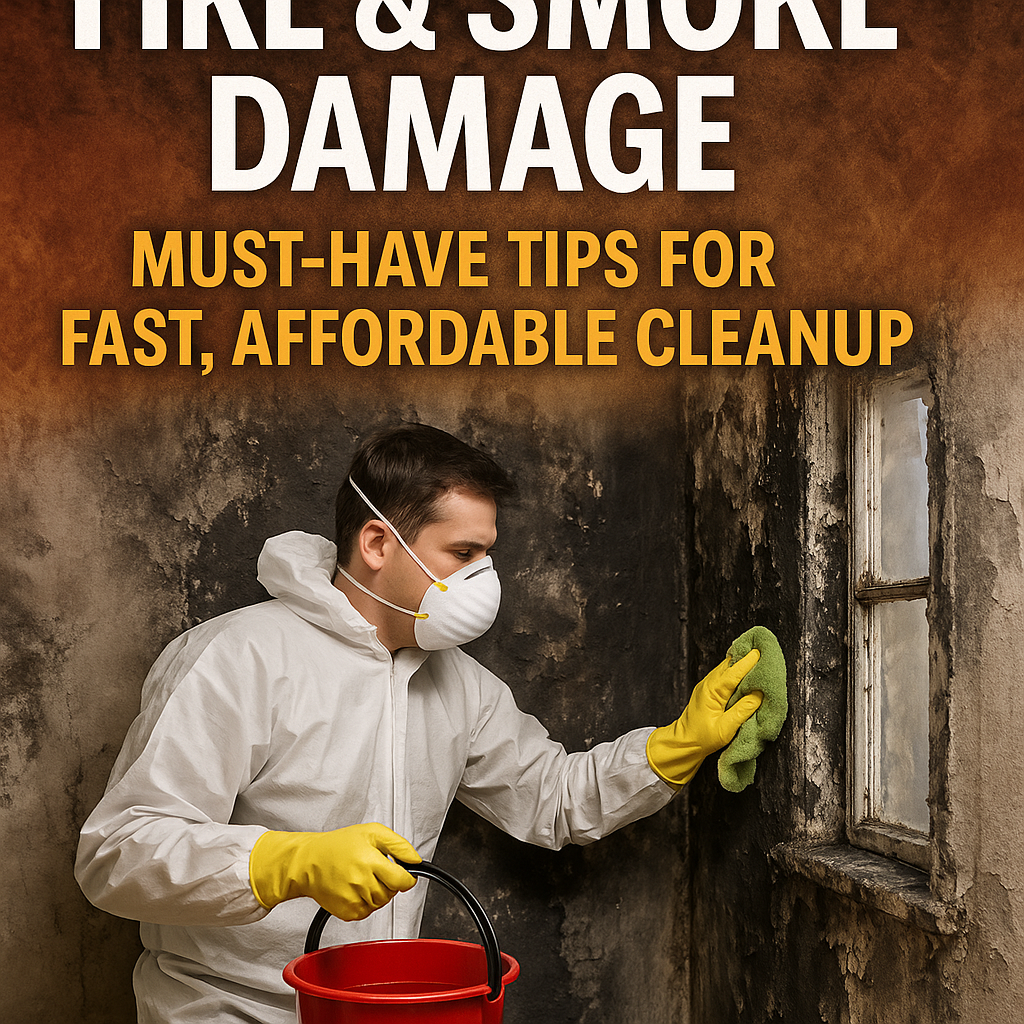
Dealing with fire and smoke damage can be overwhelming and stressful for homeowners and businesses alike. The aftermath of a fire often leaves behind not only visible destruction but also pervasive smoke odors and residue that can be difficult to clean. Understanding the best approach to fast and affordable cleanup is essential for restoring your property efficiently without breaking the bank. This guide will walk you through must-have tips to tackle fire and smoke damage with speed, safety, and cost-effectiveness.
Assessing the Extent of Fire & Smoke Damage
Before jumping into cleaning, it’s crucial to assess the damage thoroughly. Fire and smoke don’t just affect the surface; they can penetrate walls, HVAC systems, furniture, and personal belongings. Start by inspecting the structural areas of your property for any signs of damage that may compromise safety, such as weakened beams, melted wiring, or hazardous debris.
Smoke damage can be invisible but just as destructive. Check for dark stains on walls and ceilings and sniff around for lingering odors, as these can point to smoke particles deeply embedded in the materials. This assessment helps determine whether certain areas require professional intervention or if you can handle the cleanup on your own.
Immediate Steps for Fast Cleanup After Fire & Smoke Damage
Speed is of the essence when addressing fire and smoke damage because the longer soot and smoke residue remain, the harder they are to remove and the more widespread odor issues can become.
1. Ensure Safety First: Before entering the affected area, wear protective gear such as gloves, masks, and goggles. Ensure electricity and gas supplies are turned off if necessary.
2. Ventilate the Area: Open windows and doors to allow fresh air circulation. Use fans to expedite air movement, which helps dissipate smoke odor.
3. Remove Charred and Damaged Items: Dispose of items that cannot be salvaged, such as burnt furniture and carpeting. This reduces the source of odors and allows you to focus on cleaning salvageable materials.
4. Clean Soot From Surfaces: Use a vacuum fitted with a HEPA filter to gently remove loose soot from walls, ceilings, and floors. Avoid wiping at this stage as it may embed soot deeper into the surface.
Affordable Cleaning Solutions for Fire & Smoke Damage
When managing cleanup costs, smart choices in materials and methods go a long way. Employing affordable yet effective cleaning agents can help restore surfaces without the need for expensive professional cleaning products.
– Use Mild Detergents and Trisodium Phosphate (TSP): A mixture of TSP and warm water can tackle soot on painted walls. Always test on a small area first and rinse thoroughly.
– Baking Soda and Vinegar for Odor Control: Sprinkle baking soda on upholstered furniture and carpets, leave it for several hours, then vacuum. For smoke odors, white vinegar can be placed in bowls around the room or used diluted for cleaning hard surfaces.
– Activated Charcoal: Placing bowls of activated charcoal around the room can absorb unpleasant smells over time.
– Odor-Neutralizing Sprays: Choose sprays specifically designed to neutralize smoke odors instead of merely masking them.
When to Call Professionals for Fire & Smoke Damage Cleanup
While DIY methods are great for fast and affordable cleanup, some situations call for professionals:
– Extensive structural damage or deep-seated soot and smoke infiltration.
– Electrical system contamination.
– HVAC system affected by smoke, which can redistribute the odor and particles.
– Specialized cleaning needs for electronics, artwork, or delicate fabrics.
Professional restoration companies not only have industrial-grade equipment but also the expertise to ensure thorough decontamination and odor removal, preventing long-term damage to your property and health.
Preventative Measures to Minimize Future Fire & Smoke Damage
After restoration, consider taking steps to reduce the risk and impact of potential future fires:
– Install and maintain smoke detectors throughout your home or business.
– Keep fire extinguishers accessible and ensure everyone knows how to use them.
– Practice safe cooking and electrical habits.
– Create a home inventory and store important documents in fireproof containers.
– Regularly inspect heating systems and wiring to prevent electrical fires.
Final Thoughts
Fire and smoke damage cleanup requires a balance of speed, effectiveness, and budget-conscious decisions. By assessing the damage early, taking immediate safety precautions, using affordable cleaning solutions, and knowing when professional help is necessary, you can restore your property efficiently. Remember, timely action not only saves money but also helps protect your home or business from long-term hazards related to fire and smoke damage. With these must-have tips, you’re better prepared to face the challenge and reclaim your space with confidence.