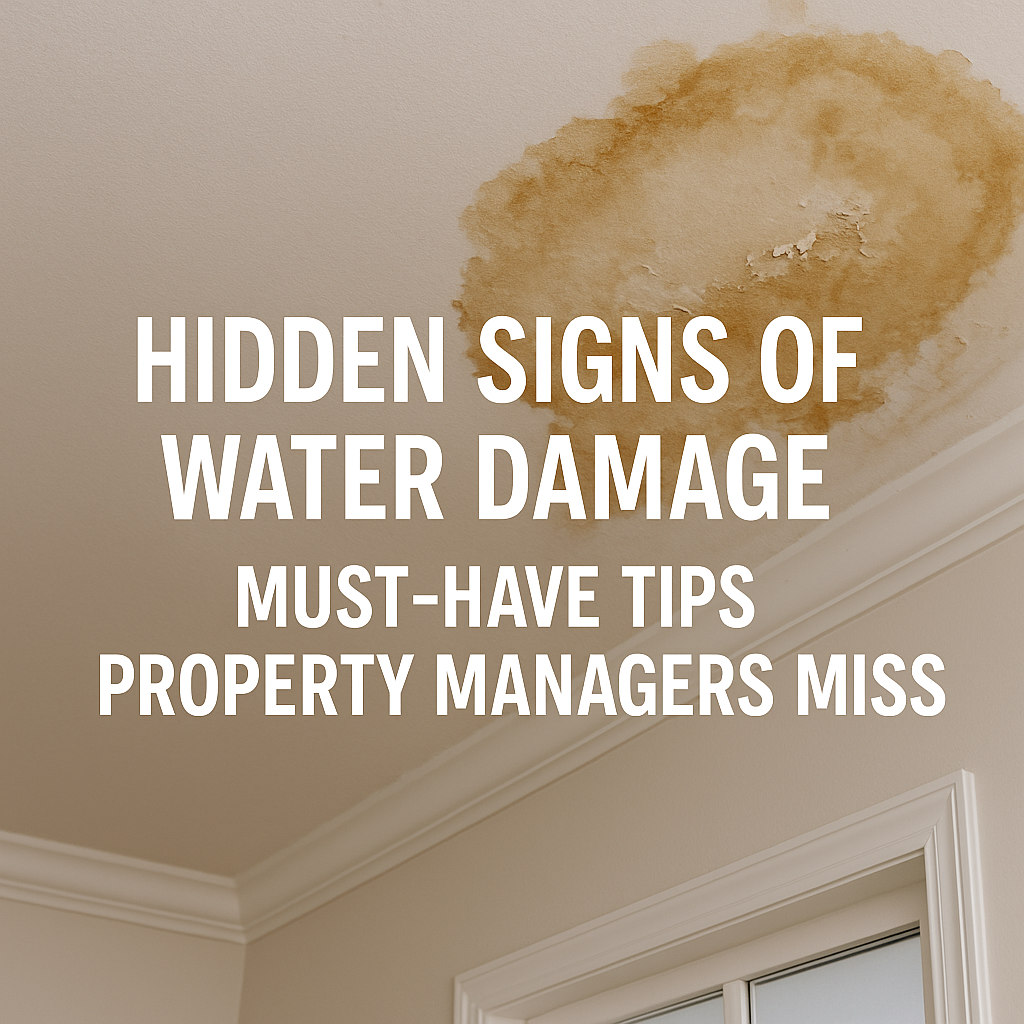
- Hidden Signs of Water Damage: Must-Have Tips Property Managers Miss
- Understanding Hidden Signs of Water Damage
- Subtle Clues Property Managers Often Overlook
- 1. Musty or Moldy Odors
- 2. Peeling, Bubbling, or Discolored Paint and Wallpaper
- 3. Warped or Buckled Flooring
- 4. Increased Utility Bills
- 5. Rust on Metal Fixtures and HVAC Components
- Must-Have Tips Property Managers Can't Afford to Miss
- Conduct Regular Inspections Beyond Visible Areas
- Invest in Moisture Detection Tools
- Monitor HVAC Systems Diligently
- Educate Tenants About Reporting
- Document and Act Quickly on Water Damage Signs
- The Cost of Ignoring Hidden Water Damage
- Conclusion
Hidden Signs of Water Damage: Must-Have Tips Property Managers Miss
Water damage is one of the most common yet overlooked issues in property management. While obvious signs like flooding or visible leaks often get immediate attention, many property managers miss the more subtle indicators that could be silently causing long-term harm. Recognizing these hidden signs of water damage early not only saves considerable repair costs but also protects the health and safety of tenants. This article dives into the lesser-known clues property managers should be vigilant about and offers crucial tips to stay ahead of potential water damage problems.
—
Understanding Hidden Signs of Water Damage
Water damage doesn’t always manifest in dramatic ways such as standing water or dripping ceilings. Often, the damage begins subtly—behind walls, under floors, or within HVAC systems—and by the time it becomes visible, the problem has already worsened. Property managers who focus solely on obvious leaks may miss early warning signals, allowing mold, mildew, and structural deterioration to set in unnoticed.
—
Subtle Clues Property Managers Often Overlook
1. Musty or Moldy Odors
A persistent, musty smell is a classic invisible sign of water damage. Even if no water is visible, odors reminiscent of damp basements or mildew may indicate hidden moisture trapped behind walls or beneath flooring. Property managers should act immediately upon complaints of such odors to prevent mold growth, which can cause health issues and tenant complaints.
2. Peeling, Bubbling, or Discolored Paint and Wallpaper
Water damage often causes paint or wallpaper to lose adhesion. Peeling, bubbling, or unusual discoloration on walls and ceilings typically signals water penetration. This damage might not be accompanied by visible dampness but is a red flag that moisture has compromised the wall structure.
3. Warped or Buckled Flooring
Hardwood and laminate floors may warp or buckle when exposed to moisture below the surface. Subfloor damage from leaks or excessive humidity can cause uneven flooring, which can be dangerous and expensive to repair. Look closely at floor joints and baseboards, especially near bathrooms, kitchens, and laundry areas.
4. Increased Utility Bills
An unexplained rise in water or energy bills can point to hidden leaks or inefficiencies caused by water damage. Property managers should compare utility bills regularly and investigate sudden spikes, as they may reflect damaged plumbing or compromised HVAC units struggling to manage humidity.
5. Rust on Metal Fixtures and HVAC Components
Rust developing on metal fixtures, pipes, or HVAC components is more than an aesthetic problem; it signals ongoing moisture exposure. Inspecting these metal parts during routine maintenance can reveal wetter-than-expected environments that might accelerate corrosion and increase failure risks.
—
Must-Have Tips Property Managers Can’t Afford to Miss
Conduct Regular Inspections Beyond Visible Areas
Routine property inspections should include looking behind appliances, inside cupboards, and under sinks where water damage often starts unnoticed. Checking attics and basements for dampness, mold, or discoloration can reveal hidden moisture problems early.
Invest in Moisture Detection Tools
Moisture meters and infrared cameras have become invaluable tools for detecting water presence within walls and floors without invasive demolition. Property managers equipped with these devices can find and address leaks before they get worse.
Monitor HVAC Systems Diligently
HVAC systems are prime spots for water damage, especially if drain pans overflow or condensation accumulates. Regular cleaning and maintenance ensure that moisture does not collect within HVAC components, which can contribute to hidden water problems.
Educate Tenants About Reporting
Tenants are often the first to notice subtle signs like musty smells or small stains. Encouraging prompt reporting through clear communication channels allows property managers to address issues before they escalate.
Document and Act Quickly on Water Damage Signs
Once a hidden water damage sign is detected, document it with photos and detailed notes. Swift repairs help prevent costly structural damage, mold growth, and legal liabilities related to tenant safety and habitability.
—
The Cost of Ignoring Hidden Water Damage
Failing to identify and repair hidden water damage can lead to expensive repairs, decreased property value, and unhappy tenants. Structural weakening, mold infestations, and prolonged dampness can also pose serious health hazards, including respiratory problems and allergies. By paying attention to subtle signs and incorporating comprehensive inspection practices, property managers safeguard their investments and maintain high tenant satisfaction.
—
Conclusion
Hidden signs of water damage are common pitfalls for property managers who rely only on surface-level observations. Taking a proactive approach—recognizing subtle clues such as unusual odors, warped flooring, and discolored paint—combined with regular inspections and modern detection technology can prevent major headaches down the line. By staying informed and vigilant, property managers protect both their properties and the well-being of their tenants, turning water damage from a hidden threat into a manageable maintenance issue.