
- Why a Water Damage Photo Checklist Is Crucial
- Before You Start: Safety First
- Essential Items in Your Water Damage Photo Checklist
- 1. Wide Shots of the Entire Room or Area
- 2. Close-Up Images of Damaged Surfaces and Materials
- 3. Photos of Personal Belongings Affected by Water
- 4. Visual Evidence of the Water Source
- 5. Shots Showing Cleanup Efforts
- 6. Time-Stamped Photographs
- Tips for Capturing Effective Water Damage Photos
- What to Do After Gathering Your Photos
- Final Thoughts
Water Damage Photo Checklist: Must-Have Tips for Fast Claims
When disaster strikes, whether from a burst pipe, heavy rain, or a faulty appliance, water damage can quickly become overwhelming. One of the most important steps homeowners can take to ensure a smooth insurance claim process is to document the damage thoroughly. A water damage photo checklist is an invaluable tool that helps capture the necessary evidence to support your claim efficiently and effectively.
In this article, we’ll explore essential tips for creating a comprehensive photo record of water damage, ensuring you have the best chance at a fast and fair insurance claim.
Why a Water Damage Photo Checklist Is Crucial
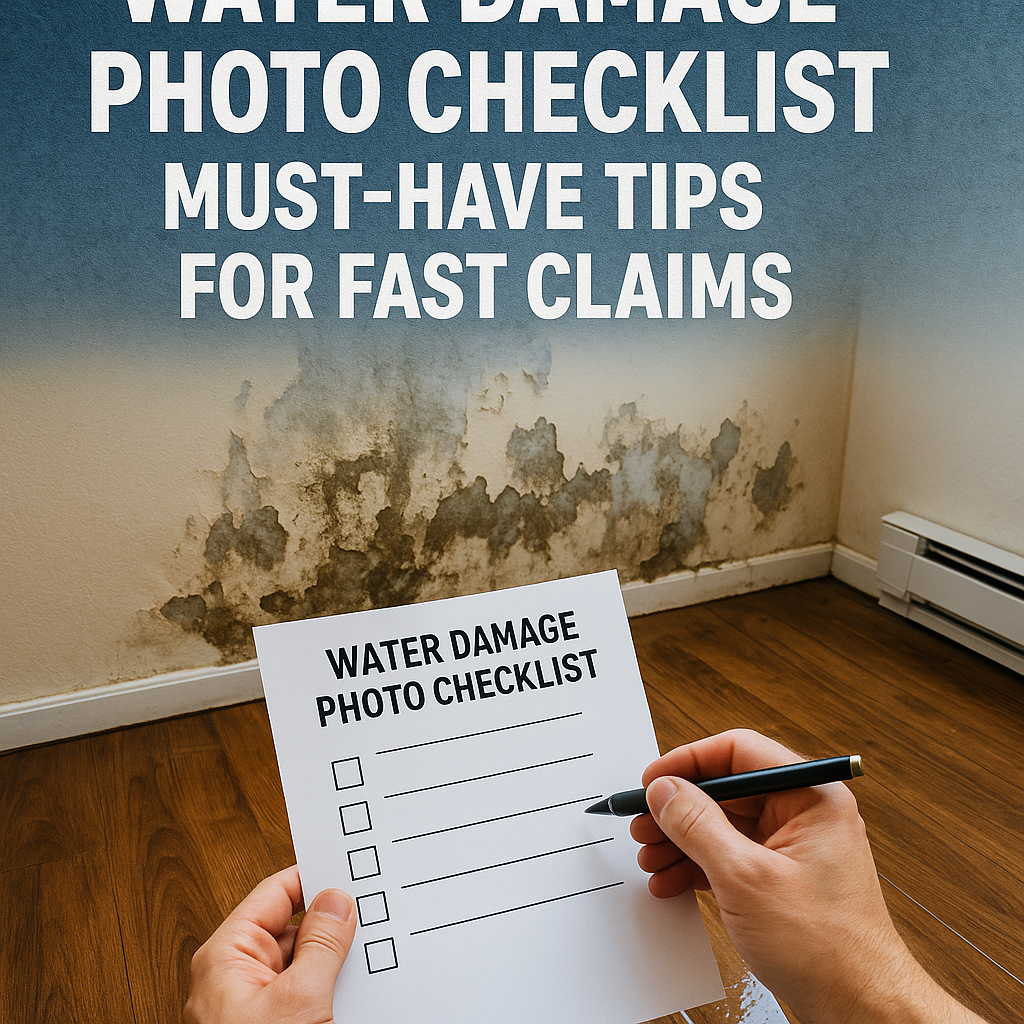
After experiencing water damage, it’s common to feel stressed and unsure about the next steps. However, insurance companies require detailed evidence to evaluate and process claims. Photographs are among the most compelling forms of proof.
A photo checklist helps by:
– Ensuring you don’t miss important areas or items affected by water damage.
– Providing a clear timeline of the damage’s progression.
– Documenting the extent of damage to property and personal belongings.
– Helping you organize your claim with detailed visual proof.
With these benefits in mind, let’s discuss how to prepare and use your checklist.
Before You Start: Safety First
Before grabbing your camera or phone, make sure you’re safe. Water damage can involve electrical risks, slippery surfaces, or structural instability. Only enter affected areas if it’s safe to do so. If the damage is extensive, consider waiting for a professional assessment.
When you’re ready, make sure your device has good battery life, ample storage, and if possible, use a camera with a high resolution to capture detailed images.
Essential Items in Your Water Damage Photo Checklist
1. Wide Shots of the Entire Room or Area
Begin by taking wide-angle photos that show the full context of the water damage. These shots should capture the entire room or affected area from different angles. This establishes the overall extent of the damage and provides a frame of reference for more detailed images.
2. Close-Up Images of Damaged Surfaces and Materials
Next, zoom in on specific damage points such as:
– Water stains on walls, ceilings, or floors
– Bubbling or peeling paint
– Warped or buckling wood floors
– Damaged drywall or insulation
– Mold growth or discoloration
Clear close-ups help insurance adjusters assess the severity and impact on your home.
3. Photos of Personal Belongings Affected by Water
Don’t forget to document any personal items that have been damaged. This might include:
– Electronics or appliances
– Furniture and upholstery
– Clothing and textiles
– Books, documents, or memorabilia
Take multiple photos from different angles to demonstrate the extent of damage or ruin.
4. Visual Evidence of the Water Source
Whenever possible, photograph the source of water intrusion. This could be:
– Burst pipes or plumbing leaks
– Overflowing appliances like washing machines or water heaters
– Roof leaks or broken gutters
– Floodwaters entering the home
These images can help verify the claim’s cause, which may impact coverage.
5. Shots Showing Cleanup Efforts
If you’ve hired professionals or performed initial cleanup, document this as well. Include images of drying equipment such as fans, dehumidifiers, or water extraction tools. Keeping a visual record of cleanup can prove that you acted promptly, which insurers often look for.
6. Time-Stamped Photographs
Time-stamped photos can be extremely helpful in establishing the timeline of damage and your response. If your device doesn’t auto-stamp images, note the date and time somewhere visible in the picture or maintain a log alongside your photos.
Tips for Capturing Effective Water Damage Photos
– Use natural light whenever possible: Bright conditions make damage easier to see.
– Avoid clutter: Clear the area of unrelated items that might distract from the damage.
– Include rulers or common objects: Adding a ruler or household item next to damage areas provides scale for the adjuster.
– Take multiple shots: Capture several images from various angles to ensure nothing is overlooked.
– Organize your photos: Sort them by area or room and label each image file to streamline your claim submission.
What to Do After Gathering Your Photos
Once you have your photo checklist complete:
– Back up your images to a cloud service or external drive to safeguard against data loss.
– Share the photos with your insurance company along with your written claim.
– Retain copies for your personal records and future reference.
– Consult your insurer for any additional documentation they require.
Final Thoughts
A thorough water damage photo checklist is your best friend when navigating the insurance claim process after water-related disasters. By documenting damage comprehensively, you minimize disputes and accelerate claim approval. Remember, calm, clear, and organized evidence is your strongest asset when communicating with insurance providers. Following these tips can help you recover faster and get your home back to normal with less hassle.
Water damage is challenging, but with the right preparation and documentation, you can take control of the situation—one photo at a time.