
- Water Damaged Hardwood Floors: Must-Have Fixes for Stunning Results
- Understanding Water Damage on Hardwood Floors
- Immediate Steps: What to Do When You Discover Water Damage
- Must-Have Fixes for Water Damaged Hardwood Floors
- 1. Sanding and Refinishing
- 2. Replacing Damaged Boards
- 3. Using Wood Fillers and Stain
- 4. Mold Remediation and Prevention
- Preventive Measures to Protect Hardwood Floors from Water Damage
- When to Call a Professional
- Final Thoughts
Water Damaged Hardwood Floors: Must-Have Fixes for Stunning Results
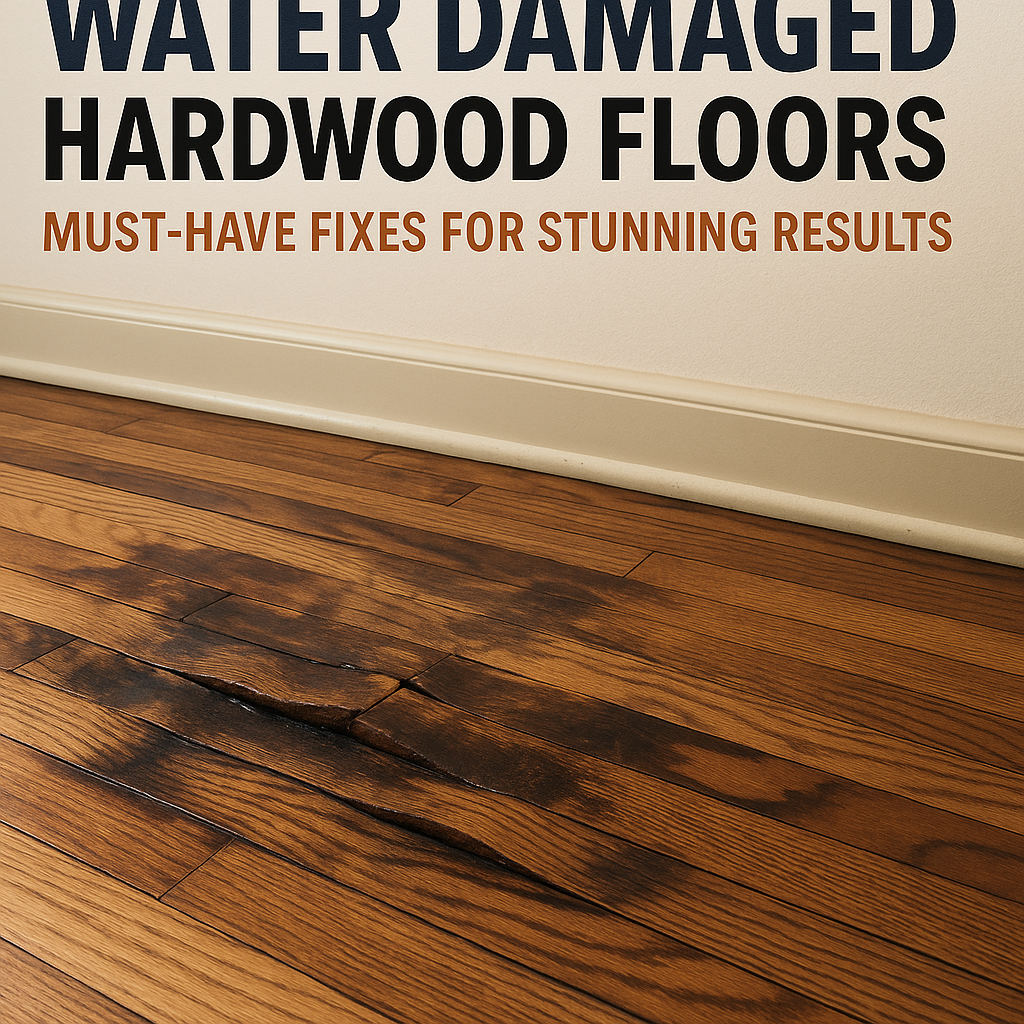
Water damaged hardwood floors can be a homeowner’s nightmare. Whether caused by a burst pipe, flooding, or even a minor leak, water damage can quickly compromise the beauty and structural integrity of your hardwood floors. However, all is not lost. With the right approach and timely action, you can restore your floors to their former glory. This article will guide you through must-have fixes to tackle water damage effectively and achieve stunning results.
Understanding Water Damage on Hardwood Floors
Before diving into solutions, it’s essential to understand how water affects hardwood floors. Wood is a porous material that absorbs moisture, leading to swelling, warping, and sometimes irreversible damage such as cupping or buckling. Prolonged exposure can also cause staining and promote mold growth, which is hazardous to health and difficult to eradicate.
The severity of damage depends on factors such as the type of wood, duration of exposure, and the extent of moisture infiltration. Hence, a quick assessment is crucial to determine the best repair strategy.
Immediate Steps: What to Do When You Discover Water Damage
If you notice water damage, acting swiftly can minimize long-term harm. Begin by identifying and stopping the water source immediately. Then, dry the affected area using fans, dehumidifiers, or natural ventilation. Avoid using heat guns or direct heat, as this could cause cracking.
Remove any standing water with a wet vacuum or mop. Keep furniture and rugs off the damp floor to prevent further moisture retention. The goal is to dry out the wood as thoroughly and quickly as possible.
Must-Have Fixes for Water Damaged Hardwood Floors
1. Sanding and Refinishing
One of the most common and effective fixes for minor to moderate water damage is sanding and refinishing. This process involves removing the top layer of the hardwood where stains and warping appear. Sanding smooths out imperfections, while refinishing restores the protective seal and original luster.
Keep in mind that sanding removes a thin layer of wood; thus, it’s not advisable to repeat it frequently on the same floorboards. For water damage that is only surface deep, this method can produce stunning, like-new results.
2. Replacing Damaged Boards
If individual boards are severely warped, cracked, or swollen, sanding alone won’t suffice. In such cases, replacing the damaged planks is necessary. Carefully remove the affected boards and install new ones of the same wood species and finish.
This fix ensures structural integrity and prevents problems from worsening. While it requires a bit more effort and cost, replacing damaged sections can significantly improve the floor’s appearance and functionality.
3. Using Wood Fillers and Stain
For minor scratches, cracks, or pits caused by water exposure, wood fillers combined with stain can be a quick fix. Fillers are applied to damaged spots, sanded smooth after drying, and backstained to match the floor’s color.
This method is a cost-effective solution to hide blemishes and prevent water from seeping deeper into the wood.
4. Mold Remediation and Prevention
Sometimes water damage leads to mold growth beneath or around floorboards. It’s essential to treat mold properly as it can cause respiratory problems and further wood decay.
Use a commercial mold remover or a mixture of vinegar and water to clean the affected area. Ensure the floor is completely dry before sealing or refinishing. Additionally, keep humidity levels low and use area rugs with moisture barriers if moisture tends to accumulate.
Preventive Measures to Protect Hardwood Floors from Water Damage
After repairing water damaged hardwood floors, preventing future issues is equally important. Consider the following tips:
– Regular Inspection: Frequently check plumbing, appliances, and areas prone to leaks.
– Maintain Humidity Levels: Keep indoor humidity between 35-55% using humidifiers or dehumidifiers.
– Use Protective Mats: Place waterproof mats near sinks, entrances, and laundry areas.
– Seal the Floors: Apply high-quality sealants or finishes that create a moisture-resistant barrier.
– Prompt Cleanup: Address spills and standing water immediately.
When to Call a Professional
While DIY fixes work for minor water damage, some scenarios require professional help. Extensive flooding, subfloor damage, widespread mold, or complicated repairs such as plank replacement by matching old floors are best handled by experienced flooring specialists. Professionals can also conduct moisture testing and recommend the best restoration methods.
—
Final Thoughts
Water damaged hardwood floors don’t have to spell disaster. With prompt action, informed repair strategies, and preventive care, you can restore your floors to stunning condition. From sanding and refinishing to replacing damaged boards, these must-have fixes ensure your hardwood flooring remains a beautiful and durable feature of your home for years to come. Stay vigilant about moisture and maintenance to keep your floors looking their best!