
- Why Emergency Water Extraction Equipment Is Essential
- Key Emergency Water Extraction Equipment You Should Have
- 1. High-Performance Water Extractors
- 2. Submersible Pumps
- 3. Dehumidifiers and Air Movers
- 4. Moisture Meters and Inspection Tools
- 5. Protective Gear and Cleaning Supplies
- Tips for Effective Emergency Water Extraction
- Conclusion
Emergency Water Extraction Equipment You Need Now
When disaster strikes—be it a flood, burst pipe, or heavy storm—time is of the essence. Emergency water extraction equipment plays a vital role in minimizing damage and ensuring safety in these critical moments. Having the right tools on hand can save your property from costly repairs, reduce health hazards, and streamline cleanup efforts. Whether you’re a homeowner, property manager, or restoration professional, understanding the essential equipment for emergency water extraction is crucial.
Why Emergency Water Extraction Equipment Is Essential
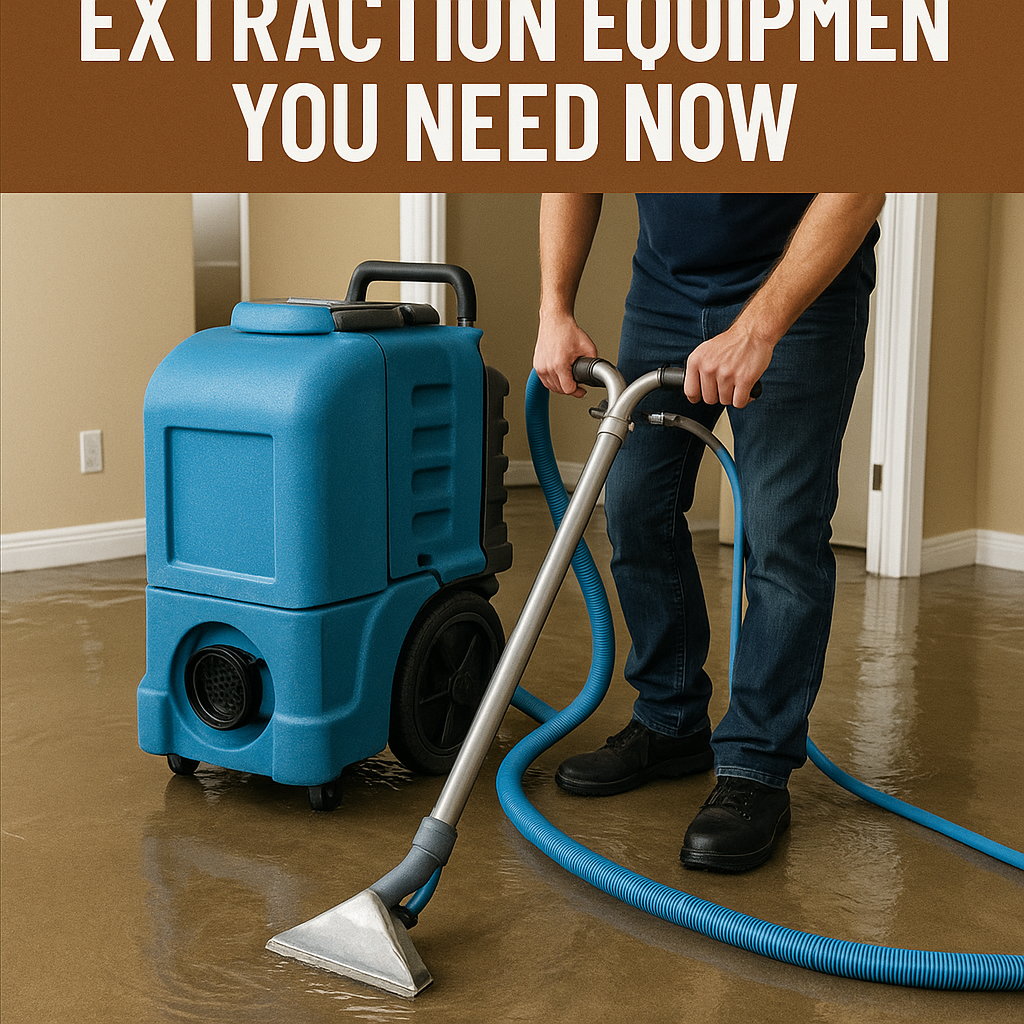
Water damage is one of the most common and destructive problems faced after a disaster. Even a small amount of standing water can lead to structural damage, mold growth, and deterioration of valuable belongings. The faster you can remove unwanted water and start drying the area, the better the overall outcome. Emergency water extraction equipment is designed to extract water quickly and efficiently from carpets, floors, walls, and other affected surfaces.
Proper extraction also prevents long-term problems like mold infestations and wood rot, which can compromise indoor air quality and safety. Having the right equipment ready ensures a swift response to uncontrolled water accumulation, significantly reducing damage extent.
Key Emergency Water Extraction Equipment You Should Have
1. High-Performance Water Extractors
Water extractors are the backbone of any emergency water removal operation. These machines are similar to powerful vacuum cleaners designed specifically to suction water from surfaces. There are two main types:
– Portable Water Extractors: Ideal for tight spaces and small jobs, these compact units are easy to maneuver and excellent for targeted extraction.
– Truck-Mount Extractors: These are larger and more powerful, typically mounted in vehicles and used for large-scale water extraction needs. They offer greater suction power and higher efficiency.
Both types feature specialized wands for extracting water from carpets, upholstery, and flooring materials to speed up the drying process.
2. Submersible Pumps
For standing water greater than a few inches, submersible pumps become indispensable. These pumps are lowered directly into the water, pulling hundreds or even thousands of gallons per hour out of flooded areas. They are essential for basements, crawlspaces, and outdoor areas where water accumulates after heavy rainfall or burst pipes.
When selecting a submersible pump, consider factors such as:
– Pump capacity (gallons per minute)
– Power source (electric, battery-operated, or gas)
– Portability for quick deployment during emergencies
3. Dehumidifiers and Air Movers
Once water is extracted, drying the environment is the next priority to prevent mold growth and lingering moisture damage.
– Dehumidifiers remove moisture from the air, creating optimal conditions for drying floors, walls, and furniture.
– Air movers (powerful fans) circulate warm air across wet surfaces to speed drying.
Together, these devices accelerate evaporation, limiting the risk of secondary damage due to residual dampness.
4. Moisture Meters and Inspection Tools
Detecting moisture hidden beneath surfaces is critical to ensuring complete water removal. Moisture meters help identify damp spots within drywall, wood, and concrete, guiding further extraction and drying efforts. Thermal imaging cameras can also reveal water intrusion inside walls and ceilings, saving time and facilitating targeted cleaning.
5. Protective Gear and Cleaning Supplies
Emergency water extraction often involves exposure to contaminants such as sewage, chemicals, or mold spores. Personal protective equipment (PPE) such as gloves, boots, respirators, and eye protection safeguard users from health risks.
Additionally, powerful disinfectants and cleaning agents are necessary to sanitize affected areas after water removal, preventing bacterial growth and foul odors.
Tips for Effective Emergency Water Extraction
– Act Quickly: The sooner water is removed, the less damage occurs. Begin extraction as soon as possible.
– Prioritize Safety: Don’t enter flooded areas without proper protective gear; electrical hazards and contaminants pose severe risks.
– Follow Up With Drying: Extraction alone is not enough. Always follow by drying and monitoring moisture levels.
– Consider Professional Help: For extensive flooding or contaminated water, professional restoration services with advanced equipment may be necessary.
Conclusion
Having the right emergency water extraction equipment readily available can make all the difference when fighting water damage. From powerful extractors and pumps to dehumidifiers, inspection tools, and safety gear, each piece plays a key role in mitigating destruction and restoring your property to a safe condition. Preparing ahead with these essential tools ensures that when water emergencies occur, you can respond swiftly, effectively, and with confidence.
Water disasters aren’t always predictable, so don’t wait until it’s too late. Assess your needs today and equip yourself with the emergency water extraction equipment necessary to protect your home or business from the devastating effects of uncontrolled water intrusion.