
- Burst Pipe Emergency: Essential Step-by-Step Response Guide
- Understanding the Severity of a Burst Pipe Emergency
- Step 1: Shut Off the Water Supply
- Step 2: Turn Off Electricity and Avoid Hazards
- Step 3: Drain and Clear Water from the Area
- Step 4: Document the Damage
- Step 5: Call a Professional Plumber Immediately
- Step 6: Dry and Dehumidify the Space
- Step 7: Restore and Repair Damaged Property
- Preventative Tips to Avoid Future Burst Pipes
- In Summary
Burst Pipe Emergency: Essential Step-by-Step Response Guide
A burst pipe emergency can strike unexpectedly, leading to significant water damage and costly repairs if not handled promptly and correctly. Knowing what steps to take in the event of a burst pipe is crucial for minimizing damage and ensuring a quick recovery. This guide will walk you through the essential actions you should follow immediately after a pipe bursts, helping you protect your home and belongings.
—
Understanding the Severity of a Burst Pipe Emergency
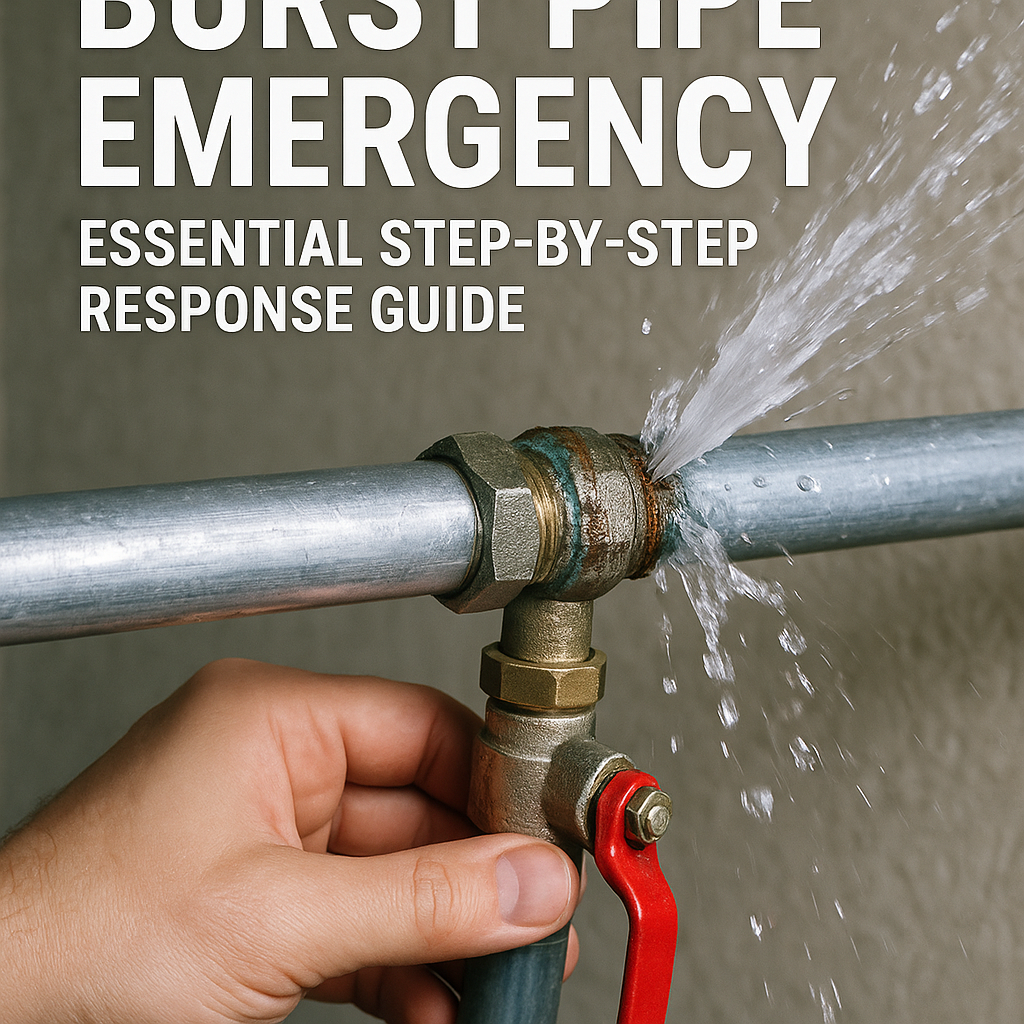
Water damage from a burst pipe can escalate quickly. The force and volume of water released can soak walls, floors, and personal property within minutes. Moreover, if the water comes into contact with electrical outlets or wiring, it can create hazardous conditions. Immediate action is necessary not only to save your property but also to ensure safety.
—
Step 1: Shut Off the Water Supply
The first and most critical step in any burst pipe emergency is to turn off the water supply. Locate your main water shut-off valve and close it to stop water flow into your home. This valve is typically found near the water meter, in a basement, or close to where the water line enters your house. By cutting off the water supply, you limit further flooding and damage.
If you cannot locate the main shut-off valve or if the pipe is inside a specific fixture, look for individual shut-off valves under sinks or behind toilets. Turning these off can help reduce water flow while you wait for professional assistance.
—
Step 2: Turn Off Electricity and Avoid Hazards
Once the water is stopped, your next priority is safety. Water and electricity are a dangerous combination. If the burst pipe has caused water to pool near electrical outlets, wiring, or appliances, shut off the power at your circuit breaker panel to prevent shocks or fires.
Avoid walking through standing water, especially if you suspect live electrical currents. If you cannot access the circuit breaker safely, call a professional electrician for guidance.
—
Step 3: Drain and Clear Water from the Area
With the source of water halted and electricity secured, start removing excess water to prevent further absorption by materials like carpets, furniture, and drywall. Mop up water using towels or a wet/dry vacuum if available. For larger floods, consider using a sump pump to extract water rapidly.
Removing standing water quickly also helps reduce the chances of mold and mildew growth, which can develop within 24-48 hours after a flood.
—
Step 4: Document the Damage
Taking photos and videos of the affected areas and damaged possessions is essential before starting any cleanup or repairs. Thorough documentation will be invaluable for insurance claims later on. Capture images from multiple angles, focusing on burst pipes, water damage to flooring, walls, and any ruined personal items.
Be sure to keep receipts for all emergency repairs, materials, and professional services related to the burst pipe incident.
—
Step 5: Call a Professional Plumber Immediately
Although quick action on your part is vital, burst pipes require professional repair to ensure the problem is fixed correctly and prevent recurring issues. Contact a licensed plumber as soon as possible to inspect the damage and perform necessary repairs.
A professional plumber will identify the cause of the pipe failure—whether due to freezing, corrosion, or pressure issues—and recommend permanent solutions. They will also check for hidden issues like damaged pipes behind walls.
—
Step 6: Dry and Dehumidify the Space
Once repairs are underway, focus on thoroughly drying the affected areas using fans and dehumidifiers. This step prevents mold growth and further structural damage. Open windows to increase air circulation if weather permits.
Continue drying for several days, as moisture can linger inside walls and flooring even after surface water is gone.
—
Step 7: Restore and Repair Damaged Property
The final stage involves restoring your home to its pre-damage condition. Depending on the extent of the burst pipe emergency, this may include replacing drywall, flooring, insulation, or cabinetry that was compromised by water.
Coordinate with your insurance provider to understand coverage options for repairs and replacements. Hiring a professional restoration company might be beneficial for extensive damage, especially to ensure that mold remediation and structural repairs are handled properly.
—
Preventative Tips to Avoid Future Burst Pipes
Once the immediate crisis is resolved, take measures to prevent future emergencies:
– Insulate Pipes: Use foam pipe insulation in unheated areas like basements and attics to protect against freezing.
– Maintain Your Plumbing: Schedule regular inspections and promptly repair leaks.
– Keep Your Property Warm: Maintain indoor temperatures above freezing during cold weather.
– Install a Leak Detection System: Modern smart home devices can alert you quickly about unusual water flow.
—
In Summary
A burst pipe emergency requires fast and deliberate action to minimize extensive damage. By shutting off the water supply, ensuring electrical safety, draining water, documenting damage, calling a professional plumber, thoroughly drying the area, and restoring your home, you can effectively tackle the problem. Remaining prepared and knowledgeable will empower you to respond confidently should the unexpected happen, protecting both your home and your peace of mind.