
- Fire Damage Restoration Process: Must-Have Steps for Best Recovery
- Initial Assessment and Safety Precautions
- Securing the Property
- Water Extraction and Drying
- Smoke and Soot Removal
- Cleaning and Sanitizing
- Structural Repairs and Restoration
- Final Inspection and Prevention Measures
- Conclusion
Fire Damage Restoration Process: Must-Have Steps for Best Recovery
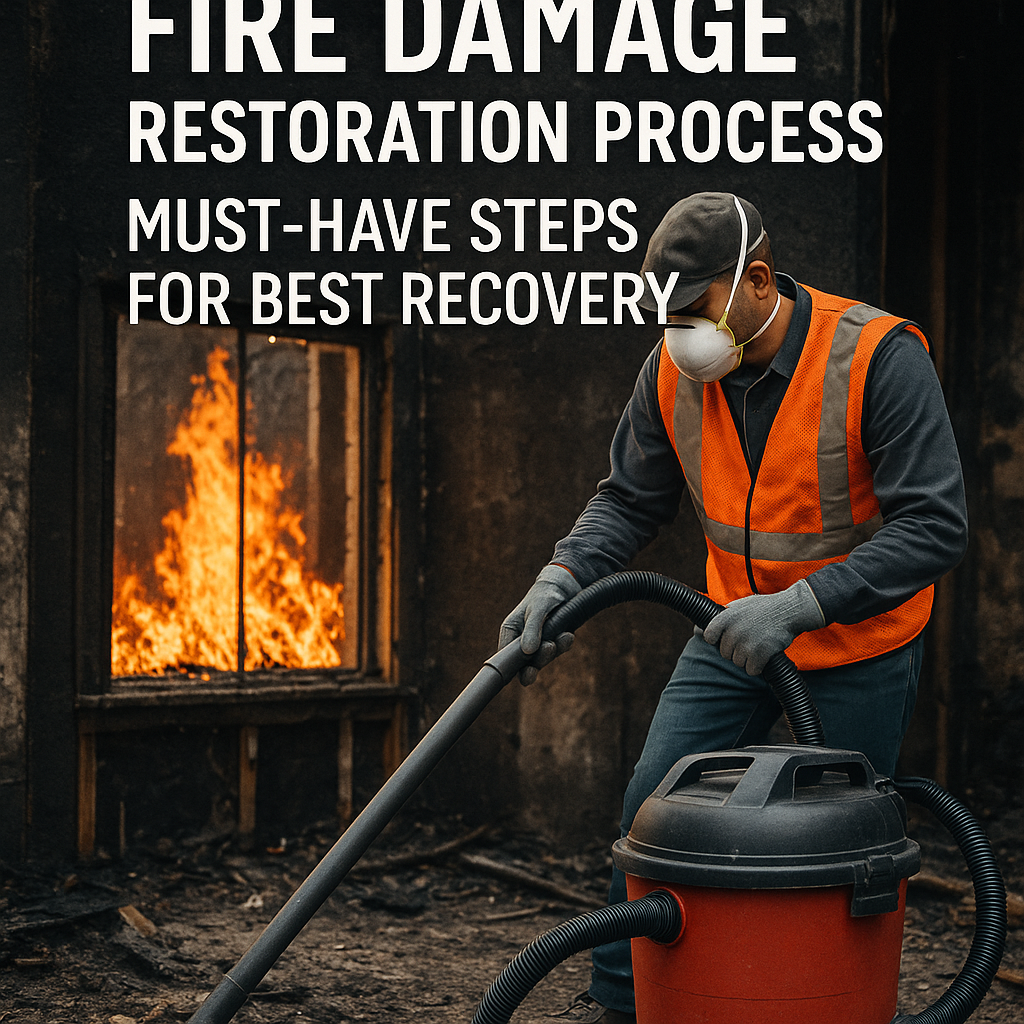
Fire damage restoration is a critical procedure that property owners face after experiencing a fire incident. The aftermath of a fire can be overwhelming, with smoke, soot, and structural harm adding to the distress. Understanding the fire damage restoration process is essential to ensure a thorough recovery that not only repairs the visible damage but also addresses hidden dangers and potential long-term effects. This article will walk you through the must-have steps in the restoration process to achieve the best possible outcome.
Initial Assessment and Safety Precautions
The first and most crucial step in the fire damage restoration process is a comprehensive assessment of the affected property. Professionals begin by evaluating the extent of the fire, smoke, and water damage (often caused by firefighting efforts). This assessment helps determine the scope of work needed and prioritizes actions to restore the property safely.
Safety is paramount during this phase. Structures compromised by fire may have unstable floors, ceilings, or walls. Therefore, only trained restoration experts with the proper protective equipment should enter the premises initially. This evaluation also includes checking for hazardous materials such as asbestos or electrical hazards that can pose additional risks.
Securing the Property
After the initial evaluation, the restoration team focuses on securing the property. This step involves boarding up windows, doors, and any openings to prevent unauthorized entry, vandalism, or further damage from weather conditions. Securing the property helps protect the remaining belongings and maintains a controlled environment for the restoration work to begin.
Water Extraction and Drying
Firefighting often involves the use of large quantities of water, leading to significant water damage. One of the must-have steps in fire damage restoration is the swift removal of this water to prevent mold growth and further structural degradation.
Specialized equipment such as industrial pumps and wet/dry vacuums are used for water extraction. After water removal, high-powered air movers and dehumidifiers help dry out the affected areas thoroughly. This step is critical to stopping microbial growth and preparing the space for cleaning and repairs.
Smoke and Soot Removal
Smoke and soot permeate everything during a fire incident and can cause lingering odors, discoloration, and health hazards. Removing smoke and soot is a meticulous process involving several techniques:
– Dry Cleaning: Using chemical sponges or specialized vacuum attachments to remove loose soot from surfaces.
– Wet Cleaning: Applying cleaning solutions to wash and neutralize soot residues.
– Thermal Fogging: Using fogging equipment to neutralize smoke odors deep within the structure and belongings.
Getting rid of these contaminants is essential not only for cosmetic restoration but also for creating a safe, healthy living environment.
Cleaning and Sanitizing
The cleaning phase is more than just wiping down surfaces. Fire causes chemical residues and contaminants that can be harmful if left untreated. The restoration team uses specialized agents to clean and sanitize the property, removing toxins from smoke, soot, and water-related mold or bacteria.
This step also often involves cleaning or restoring valuable belongings such as furniture, fabrics, electronics, and documents. Depending on the severity of the damage, some items may require professional restoration services or disposal if they are beyond salvage.
Structural Repairs and Restoration
Once the property is cleaned and sanitized, the focus shifts to repairing structural damage. This phase may include:
– Replacing damaged drywall, insulation, flooring, and roofing.
– Repairing electrical wiring, plumbing, and HVAC systems affected by fire or water.
– Restoring windows, doors, and other fixtures.
Restoration experts coordinate closely with contractors and insurers to ensure that all repairs meet safety codes and standards.
Final Inspection and Prevention Measures
The last must-have step in the fire damage restoration process is a thorough inspection to ensure that the property is safe, fully restored, and free from remaining hazards. After restoration, professionals may recommend preventing future fire incidents by installing smoke detectors, fire extinguishers, or sprinkler systems.
Further, they may advise on fire-resistant materials or building techniques especially if the property is in a high-risk area.
Conclusion
The fire damage restoration process is a complex but manageable journey when approached systematically. From the initial assessment and safety precautions to water extraction, smoke removal, cleaning, structural repairs, and final inspection, each step plays a vital role in the best recovery possible. Engaging professional restoration services ensures that the property is not only restored visually but that lasting safety and health are also prioritized.
Understanding these must-have steps can empower property owners to navigate the recovery period with confidence, turning a devastating event into a pathway to renewal.