- Why Identifying Hidden Water Damage Is Important
- Common Signs of Hidden Water Damage
- 1. Musty Odors
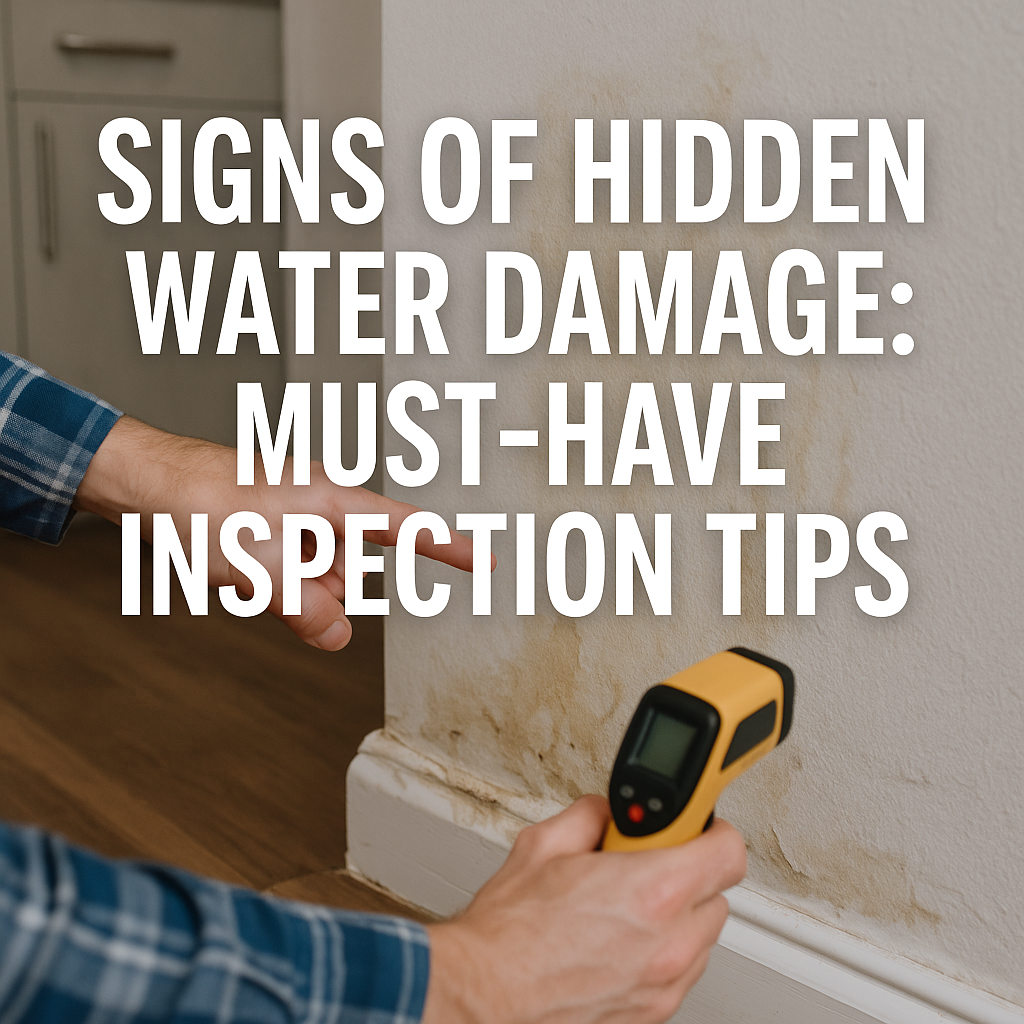
- 2. Discoloration or Stains on Walls and Ceilings
- 3. Warped or Swollen Surfaces
- 4. Elevated Humidity Levels
- 5. Cracked or Peeling Paint
- 6. Mold Growth
- Must-Have Inspection Tips for Detecting Hidden Water Damage
- Use a Moisture Meter
- Check Around Plumbing Fixtures and Appliances
- Inspect the Roof and Attic
- Look Behind Walls and Cabinets
- Monitor Water Bills
- Pay Attention to Landscaping and Drainage
- When to Call a Professional
- Conclusion
Signs of Hidden Water Damage: Must-Have Inspection Tips
Hidden water damage is a homeowner’s worst nightmare. Often lurking behind walls, under floors, or in ceilings, it can quietly compromise the structural integrity of a house and create a breeding ground for mold and mildew. Recognizing the signs of hidden water damage early on is crucial to preventing costly repairs and ensuring a safe, healthy living environment. This article offers essential inspection tips to help you detect water damage that may not be immediately visible.
Why Identifying Hidden Water Damage Is Important
Water damage can occur due to a variety of reasons, including leaking pipes, roof leaks, poor drainage, or flooding. While some damage is evident—like water pooling or visible stains—much of it remains concealed, silently deteriorating the building materials. Failure to identify and address these issues in time can lead to structural decay, electrical hazards, and serious health problems due to mold growth.
Common Signs of Hidden Water Damage
Being familiar with the subtle signs of concealed water damage can empower homeowners and renters to take prompt action. Here are some of the most frequent indicators:
1. Musty Odors
One of the most telling signs of hidden water damage is a persistent musty or damp smell. Even if you can’t see any leaks or stains, an ongoing unpleasant odor often signals mold or mildew growth caused by excess moisture.
2. Discoloration or Stains on Walls and Ceilings
Look for unusual bubbles, peeling paint, or changes in color on walls and ceilings, particularly in areas near plumbing fixtures or the roof. Brownish or yellow stains are common markers of water intrusion.
3. Warped or Swollen Surfaces
Water causes wood, drywall, and laminate flooring to warp or expand. Notice any uneven flooring, buckling baseboards, or soft spots in drywall as these may suggest hidden moisture.
4. Elevated Humidity Levels
If certain rooms consistently feel more humid or clammy than others, there may be unseen water intrusion. High indoor humidity encourages mold growth and can damage wood and drywall.
5. Cracked or Peeling Paint
Water infiltration breaks down paint adhesion, leading to peeling, bubbling, or cracking even in areas that appear structurally sound.
6. Mold Growth
Mold may appear as black, green, or white patches on walls, ceilings, or under sinks. Often mold is hidden behind appliances or inside cabinets, so thorough inspection is necessary.
Must-Have Inspection Tips for Detecting Hidden Water Damage
To thoroughly inspect your property for concealed water damage, follow these expert tips:
Use a Moisture Meter
A moisture meter is a handheld device that detects moisture behind surfaces like drywall or wood. It’s invaluable for pinpointing dampness in walls, floors, and ceilings without invasive methods.
Check Around Plumbing Fixtures and Appliances
Inspect around sinks, toilets, bathtubs, water heaters, and washing machines. Look for any leaks, pooling water, or corrosion on pipes and connections.
Inspect the Roof and Attic
Water damage often starts at the roof. Look for missing or damaged shingles, clogged gutters, or signs of water stains or mold in the attic. Examine wooden beams for softness or rot.
Look Behind Walls and Cabinets
Whenever possible, remove outlet covers or cabinet panels to inspect for hidden leaks, mold, or water stains. Use a flashlight to check inside dark spaces.
Monitor Water Bills
An unexplained increase in your water bill might indicate a hidden leak somewhere in your home.
Pay Attention to Landscaping and Drainage
Improper grading or clogged drains can cause water to pool near your foundation, leading to basement flooding or foundation damage. Ensure the ground slopes away from the house and downspouts direct water well away.
When to Call a Professional
While many hidden water damage signs can be detected by a vigilant homeowner, some issues require professional expertise. If you discover mold growth, or suspect extensive structural damage, or plumbing problems, it’s wise to engage a certified home inspector or water damage restoration specialist. They can conduct specialized tests like infrared imaging or mold sampling and provide safe remediation solutions.
Conclusion
Hidden water damage can escalate quickly, turning minor leaks into major headaches. By knowing what to look for and performing regular, detailed inspections using these must-have tips, you can catch problems early and protect your home’s value and safety. Remember to trust your senses—musty odors, unusual stains, and warped surfaces often speak loudly about concealed moisture issues. Early detection and timely intervention are the keys to keeping your home dry and healthy for years to come.