
- How Fast Does Mould Grow?
- Key Factors Affecting Mould Growth Speed
- Moisture and Humidity
- Temperature
- Material Type
- Air Circulation
- Why Knowing Mould Growth Speed Matters
- Signs of Early Mould Growth
- Tips to Prevent Rapid Mould Growth
- Control Moisture
- Improve Ventilation
- Clean and Dry Promptly
- Monitor Humidity Levels
- Use Mould-Resistant Products
- When to Call a Professional
How Fast Does Mould Grow? Urgent Must-Know Growth Facts
Mould growth can be a serious concern for homeowners, renters, and anyone maintaining indoor spaces. Understanding how fast mould grows is crucial for preventing damage, health issues, and costly remediation. Mould doesn’t take long to establish itself under the right conditions, making timely awareness and action essential. This article explores the facts about mould growth speed, the factors influencing it, and practical tips to keep mould at bay.
How Fast Does Mould Grow?
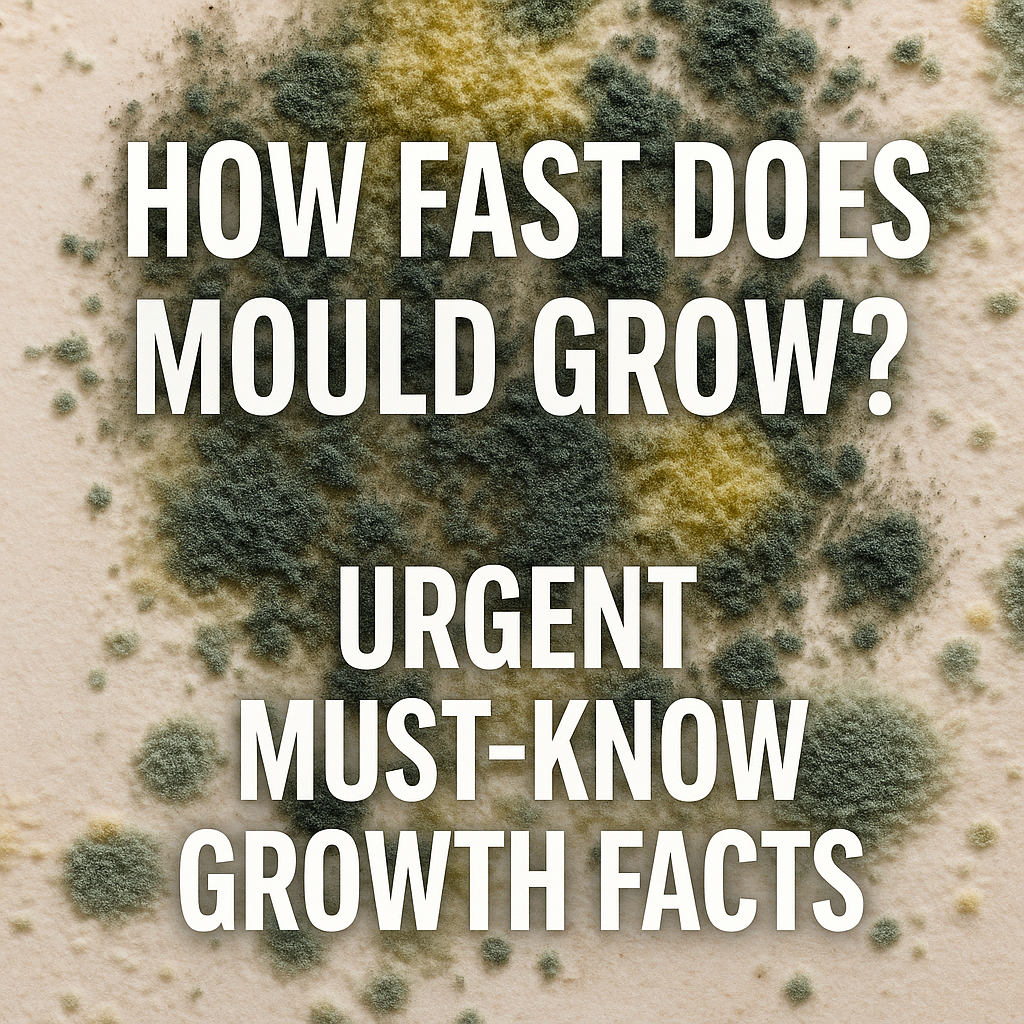
Mould can begin to grow within 24 to 48 hours after exposure to moisture. This rapid development occurs because mould spores, which are always present in the air, find an ideal environment to thrive when a surface becomes damp or wet. In these conditions, spores germinate and colonize the area quickly, expanding into visible colonies.
While visible mould might take one to two days to appear, the mould growth process starts immediately once moisture is present. The material affected, temperature, and humidity levels all contribute to how fast mould spreads. Some species grow slower or faster than others depending on their preferred environment, but generally, mould can become a problem very rapidly if not managed promptly.
Key Factors Affecting Mould Growth Speed
Moisture and Humidity
Mould requires moisture to grow, making water damage, leaks, or high indoor humidity the primary triggers. Relative humidity above 60% can support mould proliferation. The moment a surface or material remains damp, mould spores can activate and start breaking down the material to feed, accelerating growth.
Temperature
Most mould species thrive in moderate temperatures between 20°C to 30°C (68°F to 86°F). Rooms like kitchens, bathrooms, and basements often provide the warm, humid conditions mould loves. However, some mould types can grow in colder or warmer environments, adapting to conditions as long as moisture is present.
Material Type
Mould grows faster on porous organic materials like wood, drywall, carpet, or fabric because these materials can hold moisture and provide nutrients. Non-porous surfaces like glass and metal are less prone to mould growth but can still harbor spores until moisture is removed.
Air Circulation
Poor ventilation helps mould thrive by trapping moisture-laden air in an area. Good airflow helps dry wet surfaces and remove excess humidity, slowing down or preventing mould growth.
Why Knowing Mould Growth Speed Matters
Recognizing how quickly mould can establish itself alerts homeowners and property managers to the urgency of addressing water intrusion and dampness. Left unchecked, mould can cause structural damage by breaking down building materials, contribute to unpleasant odors, and trigger allergic reactions or respiratory problems.
For example, after a flood or leak, waiting a few days before drying an area can allow mould to grow extensively. Quick drying, cleanup, and remediation efforts within the first 48 hours drastically reduce mould damage and health risks.
Signs of Early Mould Growth
By the time mould is visible, it may already be well established behind surfaces or inside structures. Early signs of mould growth include:
– A musty or earthy odor
– Damp spots or discoloration on walls, ceilings, or floors
– Peeling wallpaper or paint
– Allergic symptoms such as sneezing, coughing, or irritated eyes when indoors
If you detect any of these warning signs, it’s important to investigate moisture sources and act quickly.
Tips to Prevent Rapid Mould Growth
Control Moisture
Fix leaks, condensation problems, or plumbing issues promptly. Use dehumidifiers in damp spaces and exhaust fans in bathrooms and kitchens to reduce moisture.
Improve Ventilation
Keep indoor air moving by opening windows when weather permits or using mechanical ventilation systems. This dries surfaces and reduces the likelihood that mould spores will settle and grow.
Clean and Dry Promptly
After spills or water damage, clean affected areas and dry them thoroughly within 24-48 hours. Remove wet carpets, furniture, or drywall if waterlogging occurs.
Monitor Humidity Levels
Use a hygrometer to maintain indoor humidity between 30% and 50%. Higher levels create an environment ripe for mould growth.
Use Mould-Resistant Products
When renovating, consider mould-resistant drywall, paints, and insulation, especially in areas prone to dampness.
When to Call a Professional
If you notice widespread mould or persistent musty odors despite your best efforts, it might be time to seek expert help. Professionals can assess the extent of mould growth, identify hidden problems, and recommend safe and effective remediation methods.
—
In conclusion, mould can grow astonishingly fast under the right conditions—often within 24 to 48 hours of moisture exposure. By understanding these urgent must-know facts about mould development speed, you can act swiftly to prevent damage and health risks. Controlling moisture, improving ventilation, and maintaining low humidity are key strategies to keep your indoor environment mould-free. Don’t wait for visible mould to appear; acting early is essential for a safe, healthy home.