
- Why Is It Important to Prevent Frozen Pipes BC?
- Key Signs Your Pipes Might Freeze in Winter
- Must-Have Tips to Prevent Frozen Pipes BC
- Insulate Your Pipes Effectively
- Seal Gaps and Cracks
- Allow Faucets to Drip
- Maintain Adequate Heating
- Open Cabinet Doors
- Drain Outdoor Water Lines
- What to Do If You Suspect Frozen Pipes
- Prevent Frozen Pipes BC: A Responsibility Worth Taking Seriously
Prevent Frozen Pipes BC: Must-Have Tips for Effortless Winter
When winter rolls in across British Columbia, one common household issue that many residents face is the risk of frozen pipes. Preventing frozen pipes BC is crucial to maintaining a functional plumbing system and avoiding costly repairs that come with burst pipes. As temperatures drop, taking proactive measures can save you the hassle and expense of dealing with winter water damage. This article covers essential tips and strategies to help you keep your pipes flowing smoothly all season long.
Why Is It Important to Prevent Frozen Pipes BC?
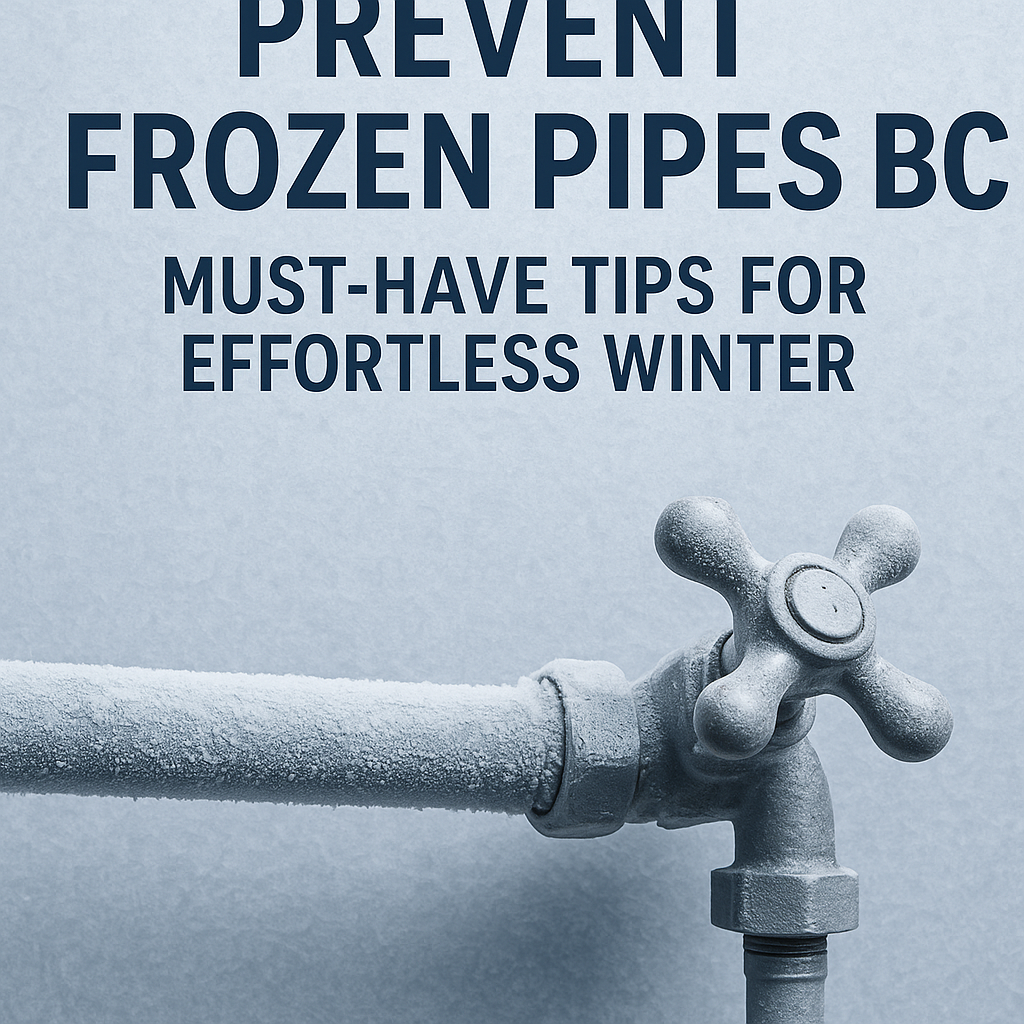
In British Columbia, winter temperatures can vary widely depending on the region, but many areas experience freezing conditions that can threaten the integrity of water pipes. When water inside a pipe freezes, it expands, putting tremendous pressure on the pipe walls. This pressure can cause pipes to crack or burst, leading to water leaks and significant home damage. Beyond repair costs, frozen pipes can mean no running water—leaving you without access to essential water for heating, cooking, and cleaning.
By taking measures to prevent frozen pipes BC, homeowners can ensure continuous water flow, preserve home infrastructure, and enjoy peace of mind throughout the coldest months.
Key Signs Your Pipes Might Freeze in Winter
Understanding the early warning signs of potential frozen pipes can help you intervene promptly. Here’s what to watch for:
– Frost or ice buildup on exposed pipes, especially in unheated areas like basements, garages, or crawl spaces
– Strange noises such as banging or gurgling when water is running through the pipes
– Reduced water flow or extremely cold water coming out of faucets
– Visible cracks or tiny leaks in pipes or plumbing fixtures
If you notice any of these signs, follow the prevention steps below immediately.
Must-Have Tips to Prevent Frozen Pipes BC
Insulate Your Pipes Effectively
One of the most reliable ways to prevent frozen pipes BC is by insulating any exposed and vulnerable water lines. Use foam pipe insulation sleeves or wrap them with heat tape, especially for pipes that run through exterior walls, attics, basements, or crawl spaces. Proper insulation provides a thermal barrier that keeps water temperatures steady and reduces the risk of freezing.
Seal Gaps and Cracks
Cold air intruding into your home through gaps, cracks, or holes in walls, floors, and around windows can chill pipes. Carefully inspect your home’s exterior and interior areas and use caulk or weather stripping to seal any openings. Pay close attention to areas near where pipes enter the house and around vents or electrical wiring.
Allow Faucets to Drip
Allowing a slow drip from your faucets during extreme cold snaps can prevent water from freezing inside pipes. Running water, even a small trickle, helps to keep it moving, which reduces the chance it will freeze. This method is particularly effective for taps connected to pipes running through colder, unheated areas.
Maintain Adequate Heating
Keep your indoor temperature consistent, even if you’re away during winter. Set your thermostat to no lower than 55°F (13°C) to ensure pipes inside your home remain warm enough to prevent freezing. Don’t turn heating off completely, especially overnight or during cold spells.
Open Cabinet Doors
Opening cabinet doors under sinks and near plumbing can provide additional warmth to the pipes located there. This is especially useful in kitchens and bathrooms where pipes might be exposed to colder temperatures along exterior walls.
Drain Outdoor Water Lines
Before the first frost, disconnect garden hoses and drain outdoor faucets and irrigation systems. Water trapped in outdoor pipes can freeze, causing damage that travels inside. Shut off outdoor water valves or install frost-proof spigots as an extra precaution.
What to Do If You Suspect Frozen Pipes
If you suspect a pipe has frozen, act quickly but carefully. Turn off the main water supply to prevent flooding if the pipe bursts. Then, gently thaw the pipes using a hair dryer, heat lamp, or warm towels—never use open flames. Focus heat on the section closest to the faucet and work outward. Once pipes thaw, check for leaks or damage and contact a plumber if needed.
Prevent Frozen Pipes BC: A Responsibility Worth Taking Seriously
For homeowners across British Columbia, preventing frozen pipes BC isn’t just a seasonal chore—it’s an essential part of wintering your home safely and smartly. By investing time in insulation, sealing gaps, and maintaining warmth, you can sidestep the inconvenience and expense of frozen and burst pipes. Regular checks and a bit of preparation ensure that even the coldest winters pass without plumbing headaches.
Implement these must-have tips this winter, and you’ll enjoy effortless comfort knowing your pipes are protected, your water flows freely, and your home stays safe and dry.