
- Understanding Why Mould Develops in Basement Suites
- Essential Must-Have Tips for Preventing Mould in Basement Suites
- 1. Ensure Proper Waterproofing and Drainage
- 2. Control Indoor Humidity Levels
- 3. Improve Ventilation and Air Circulation
- 4. Fix Leaks and Plumbing Issues Promptly
- 5. Use Mold-Resistant Building Materials and Paint
- 6. Keep the Basement Clean and Dry
- 7. Conduct Regular Inspections and Maintenance
- Why Prevention Matters for Your Health and Investment
- Conclusion
Preventing Mould in Basement Suites: Essential Must-Have Tips
Preventing mould in basement suites is a critical concern for homeowners and renters alike. Basements are naturally prone to moisture due to their location below ground level, making them ideal environments for mould growth. Mould not only damages property but also poses significant health risks, including allergies, respiratory problems, and other illnesses. Fortunately, with the right strategies and regular maintenance, you can effectively stop mould before it takes hold and keeps your basement suite safe, comfortable, and healthy.
Understanding Why Mould Develops in Basement Suites
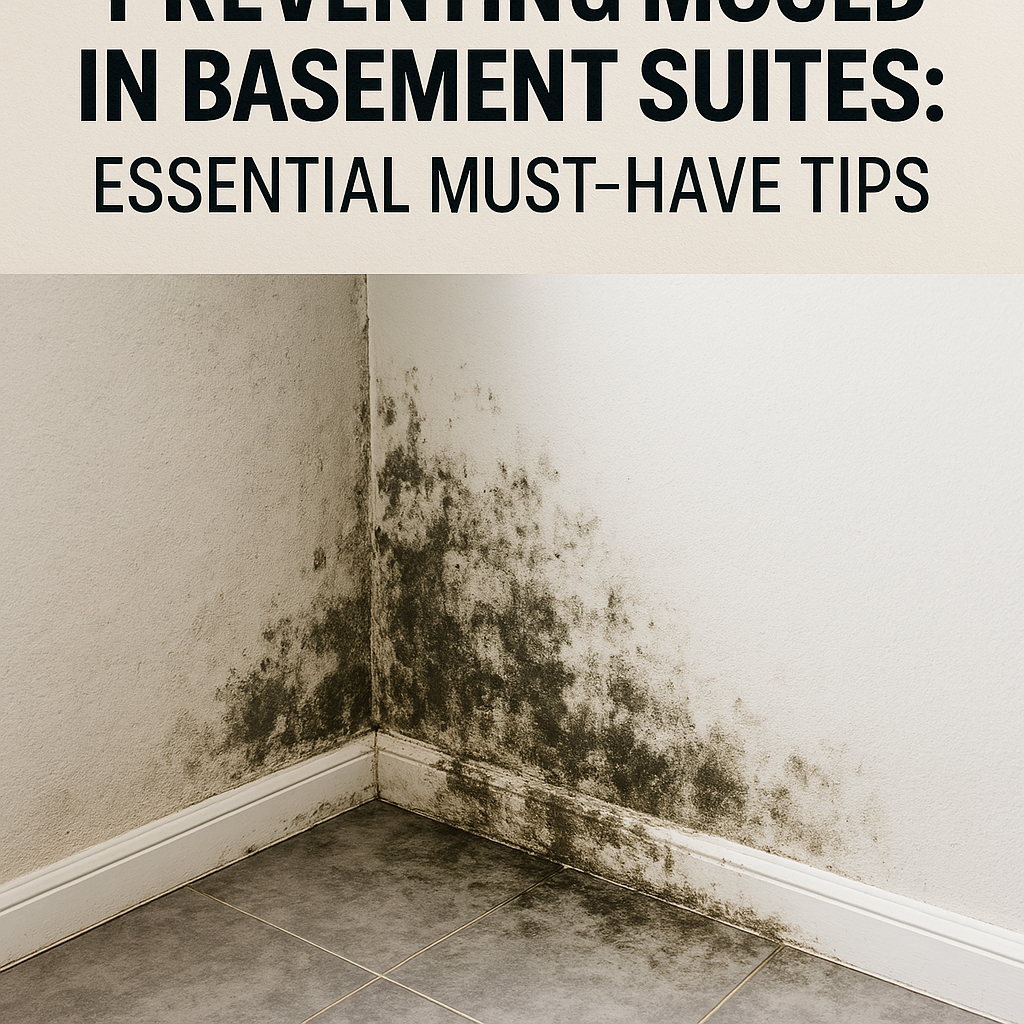
Before diving into prevention tips, it’s important to understand why basement suites are particularly vulnerable to mould growth. Basements are often cooler and damper than other parts of a home due to poor ventilation, seepage through foundation walls, and humidity levels. These conditions create the perfect breeding ground for mould spores, which thrive in moist, dark environments.
Water intrusion from foundation cracks, plumbing leaks, or improper drainage can significantly increase moisture levels. Moreover, high indoor humidity from cooking, bathing, or laundry activities without adequate ventilation can compound the problem. Recognizing these risk factors is the first step toward effective mould prevention.
Essential Must-Have Tips for Preventing Mould in Basement Suites
1. Ensure Proper Waterproofing and Drainage
Water is the enemy when it comes to basement mould. Ensuring your basement has proper waterproofing can dramatically reduce moisture intrusion. This may include:
– Applying waterproof sealants to foundation walls and floors
– Installing or repairing exterior drainage systems like gutters, downspouts, and French drains to divert rainwater away from the foundation
– Slope grading around your home to guide water away from the basement area
Regular inspection and maintenance of these systems are key to preventing water seepage that can lead to mould growth.
2. Control Indoor Humidity Levels
Maintaining indoor humidity below 60% is crucial for mould prevention. You can manage humidity through several methods:
– Use dehumidifiers, especially in humid climates or during damp seasons
– Ventilate the basement suite properly by installing exhaust fans in kitchens, bathrooms, and laundry areas
– Open windows periodically to encourage airflow when weather permits
Monitoring indoor humidity using an affordable hygrometer helps you keep track and take action before moisture levels become problematic.
3. Improve Ventilation and Air Circulation
Good ventilation reduces moisture buildup and helps keep basement air fresh. Besides exhaust fans and opening windows, consider:
– Installing air vents or ducts connected to the upper floors or outside air
– Using fans to increase air circulation in poorly ventilated corners
– Avoiding overcrowding the basement with furniture or belongings that restrict airflow
Proper air circulation also helps in drying any damp spots quickly, reducing conditions favourable to mould growth.
4. Fix Leaks and Plumbing Issues Promptly
Leaking pipes or plumbing fixtures contribute to hidden moisture problems behind walls or under floors. Inspect all plumbing in your basement suite regularly, including water and sewage pipes, faucets, and appliances. Any sign of leakage or water damage should be repaired immediately to prevent mould from establishing itself.
5. Use Mold-Resistant Building Materials and Paint
If you are renovating or finishing your basement, opt for materials designed to resist mould growth. Moisture-resistant drywall, treated wood, and tile flooring are preferable to carpet or untreated wood, which retain moisture. Additionally, applying mould-resistant paint to walls and ceilings can provide an extra layer of protection against mould spores.
6. Keep the Basement Clean and Dry
Maintaining a clean basement free of clutter reduces the likelihood of mould developing unseen. Organize belongings in plastic bins rather than cardboard boxes, which can absorb moisture. Regularly clean surfaces with non-toxic mould inhibitors and ensure any spills or damp areas are dried immediately.
7. Conduct Regular Inspections and Maintenance
Prevention is ongoing. Schedule periodic inspections to check for early signs of mould, water damage, or moisture buildup. Attend to issues quickly and consider professional assessments if you detect persistent mould or suspect hidden damage.
Why Prevention Matters for Your Health and Investment
Preventing mould in basement suites protects not only the structural integrity of your property but also the health and wellbeing of its occupants. Mould exposure can cause symptoms ranging from mild irritation to severe allergic reactions and respiratory disorders. Additionally, mould remediation can be costly and disruptive, often requiring professional intervention.
By adopting a proactive approach centered on moisture control, ventilation, and routine maintenance, you can minimize the risks associated with basement mould and enjoy a clean, safe living environment.
Conclusion
Preventing mould in basement suites requires a combination of vigilance, proper moisture management, and strategic home improvements. By waterproofing your foundation, controlling humidity, improving ventilation, promptly repairing leaks, choosing mould-resistant materials, and maintaining cleanliness, you can successfully keep mould at bay. Taking these essential steps not only safeguards your property but also promotes a healthier indoor atmosphere for everyone living in or using your basement suite. Don’t wait for mould to become a problem—start implementing these must-have tips today for lasting protection.