
- Understanding the Water Damage Restoration Timeline: Exclusive Local Guide to Fast Results
- Immediate Response: The First 24 Hours
- Water Extraction and Drying: 24 to 72 Hours
- Mold Prevention and Sanitization: 3 to 7 Days
- Repairs and Reconstruction: From 7 Days Onward
- Factors That Affect the Water Damage Restoration Timeline
- How to Speed Up Your Water Damage Restoration
- Choosing a Local Water Damage Restoration Expert
- Final Thoughts
Understanding the Water Damage Restoration Timeline: Exclusive Local Guide to Fast Results
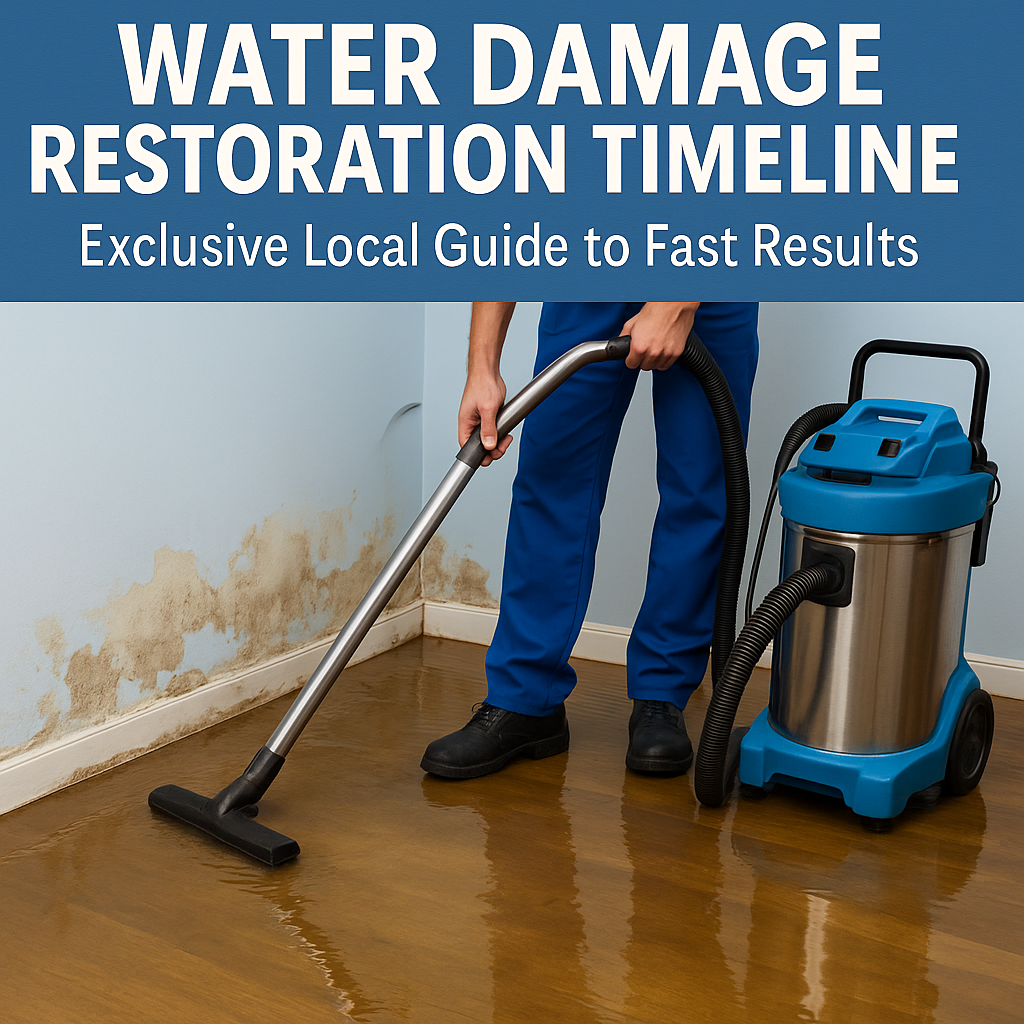
Water damage can strike unexpectedly, wreaking havoc on your property and belongings. Knowing the water damage restoration timeline is crucial for homeowners and business owners alike, as a swift and effective response often determines the extent of the damage and the cost involved. This exclusive local guide will walk you through the typical restoration process, offering insights into what to expect at each stage and tips to expedite the recovery for fast, lasting results.
Immediate Response: The First 24 Hours
The timeline for water damage restoration begins immediately after water intrusion is detected. The first 24 hours are critical — taking quick action can prevent further destruction and reduce long-term damage like mold growth, structural weakening, and ruined possessions.
Key steps during this phase include:
– Stop the water source: Whether it’s a burst pipe, a severe leak, or flooding, shutting off the water source prevents more water from entering your property.
– Assess and document the damage: Take photos and notes to assist with insurance claims and contractors.
– Contact a professional restoration company: Local experts will mobilize quickly, arriving equipped to begin water extraction and drying.
Water Extraction and Drying: 24 to 72 Hours
Once the water source has been controlled, the extraction and drying phase starts. This period is essential to remove standing water and kick-start the drying process to prevent mold and mildew.
– Water removal: Restoration professionals use high-powered pumps and wet/dry vacuums to extract as much water as possible.
– Ventilation and dehumidification: Industrial fans and dehumidifiers are deployed to circulate air and eliminate moisture from surfaces, walls, and floors.
– Monitor moisture levels: Technicians regularly check moisture readings to ensure drying progresses as planned. This step can often require containment of affected areas to improve airflow efficiency.
Typically, the more advanced the equipment used, the faster and more thorough the drying.
Mold Prevention and Sanitization: 3 to 7 Days
Mold growth can begin within just 24 to 48 hours after water exposure, making timely intervention vital. After thorough drying, a trained restoration team will focus on mold prevention and sanitization to safeguard your health and property.
– Antimicrobial treatments: Surfaces and materials are treated with agents that inhibit mold spores and bacteria.
– Odor removal: Specialists employ techniques such as ozone treatment or thermal fogging to neutralize odors caused by moisture and microbial activity.
Homeowners should remain vigilant during this phase, keeping affected areas sealed off and maintaining ventilation as advised by professionals.
Repairs and Reconstruction: From 7 Days Onward
Once your home or commercial property is completely dried, cleaned, and sanitized, the repair phase begins. The timeline for this stage varies based on the severity of the damage.
– Restoring structural elements: Drywall replacement, floor repairs, and ceiling fixes are common tasks.
– Electrical and plumbing inspections: Safety checks ensure all systems function correctly and there is no hidden corrosion or damage.
– Contents restoration: Valuable items such as furniture, documents, and electronics are cleaned or restored using specialized methods.
This phase can last anywhere from a few days to several weeks, depending on the complexity of repairs.
Factors That Affect the Water Damage Restoration Timeline
Several factors can influence how quickly your property can be restored:
– Severity and type of water: Clean water damages take less time to resolve, while gray or black water contamination requires additional cleaning and safety measures.
– Building materials: Porous materials like carpet and drywall absorb water quickly and require longer drying times.
– Weather conditions: High humidity or ongoing rainfall can slow down drying efforts.
– Availability of professionals: Local restoration companies’ availability and expertise play a critical role in timely restoration.
How to Speed Up Your Water Damage Restoration
To ensure the fastest results, consider these practical tips:
– Act fast: Don’t delay contacting water damage restoration experts.
– Remove belongings: Take out furniture, rugs, and valuables from wet areas to speed drying.
– Increase airflow: Open windows and use fans if safe to do so.
– Prevent mold growth: Keep humidity low and avoid covering damp walls or floors.
Choosing a Local Water Damage Restoration Expert
Working with a local restoration professional familiar with your area’s climate and building regulations can significantly improve restoration speed and quality. Look for companies that offer:
– 24/7 emergency services
– Advanced drying and moisture detection technology
– Transparent pricing and clear communication
– Positive reviews and certifications from industry bodies
Final Thoughts
The water damage restoration timeline is a step-by-step process that requires urgency, expertise, and ongoing care to protect your property and health. By understanding each phase and acting promptly, you can minimize damage and restore your space efficiently. Use this guide as a reference in the event of water damage to ensure you receive fast, thorough results from local professionals committed to your recovery.