
- What to Do After Water Damage: Must-Have Immediate Actions
- Assess the Situation Safely
- Remove Excess Water Quickly
- Dry and Dehumidify the Area
- Document the Damage for Insurance
- Remove and Protect Valuables
- Disinfect and Clean Surfaces
- Call Professional Water Damage Restoration Services
- Final Thoughts on What to Do After Water Damage
What to Do After Water Damage: Must-Have Immediate Actions
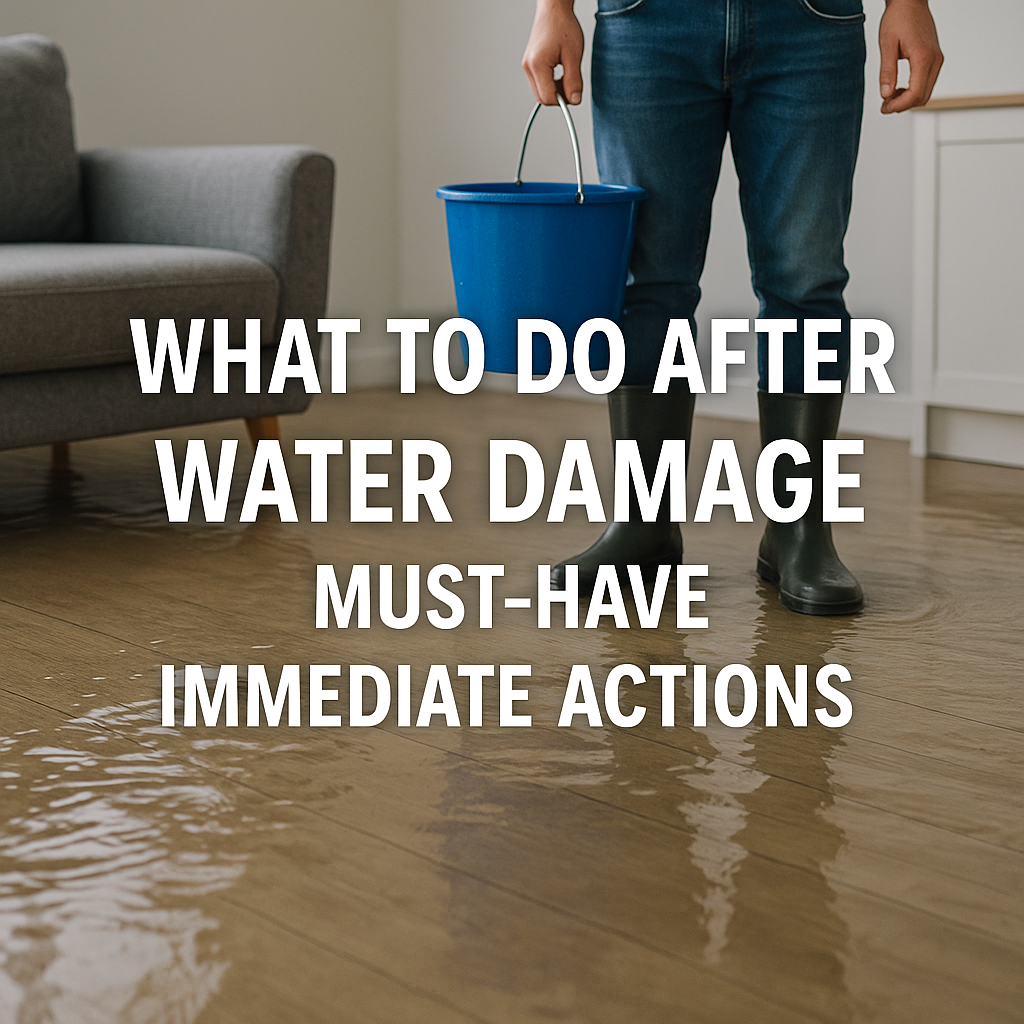
Water damage can strike suddenly and without warning, leaving homeowners feeling overwhelmed and unsure of the next steps. Whether caused by a burst pipe, a severe storm, or an appliance malfunction, the aftermath of water damage requires quick, decisive action to minimize further harm and begin the restoration process. Knowing what to do after water damage is crucial to protect your property, safeguard your health, and reduce costly repairs down the line.
Assess the Situation Safely
The very first thing to do after water damage is to ensure your safety. Before entering the affected area, turn off electricity at the main breaker to prevent electrocution, especially if water has reached electrical outlets, cords, or appliances. If the damage is caused by flooding, avoid wading through water, as it may be contaminated or conceal hazards like sharp debris or live wires.
Once the power is off and it’s safe to move, identify the source of the water. Stopping ongoing water flow is critical to prevent additional damage. For example, if a pipe has burst, immediately shut off the main water valve. If water intrusion is due to external flooding, diligent efforts to block water entry points or use sandbags can help mitigate the influx.
Remove Excess Water Quickly
Removing excess water promptly is one of the most important steps after water damage. Standing water can seep deeper into flooring, walls, and furniture, worsening the damage. Use a wet/dry vacuum, mop, or towels to soak up visible water. In larger scenarios, professional water extraction equipment might be needed.
If the water damage came from clean water—such as a broken pipe—this step helps curtail mold growth. However, if the water is contaminated (like sewage or floodwater), avoid direct contact and consider calling professionals immediately to handle hazardous materials safely and efficiently.
Dry and Dehumidify the Area
Once standing water is removed, the next critical task is thorough drying and dehumidification. Moisture trapped within building materials can lead to mold growth, which poses health risks and further structural damage. Open windows and doors to ventilate the area, and use fans or dehumidifiers to accelerate drying.
Check hidden spaces such as behind walls, under flooring, and in insulation layers, as moisture can linger undetected. In cases of severe water damage, it’s advisable to bring in experts who use specialized equipment like infrared cameras to detect moisture and industrial dryers to ensure complete dryness.
Document the Damage for Insurance
As you begin the cleanup process, documenting the damage is essential for insurance claims. Take clear, well-lit photos and videos of affected areas, damaged belongings, and any structural changes. Keep a detailed inventory of personal items that have been ruined or compromised by the water.
Additionally, save all receipts for restoration services, equipment rental, and supplies. Having thorough documentation can streamline the claims process, ensuring you get compensated fairly and promptly for your losses.
Remove and Protect Valuables
Where possible, remove valuables such as electronics, important documents, and irreplaceable items from the water-damaged area to prevent further destruction. Store them in a dry, safe location. For papers and photos, consider using a drying technique like air drying or freezing to preserve them until professional restoration can occur.
Also, furniture, rugs, and fabrics may need to be moved or cleaned immediately to reduce staining and mold contamination. Salvaging these possessions early on can save you money on replacements.
Disinfect and Clean Surfaces
After removing water and drying the space, it’s important to disinfect all affected areas. Even clean water can carry bacteria and contaminants from the environment, increasing the risk of illness or unpleasant odors. Use a mild cleaning solution or a mix of bleach and water (one cup bleach per gallon of water) to clean hard surfaces.
Pay special attention to floors, walls, and any objects that came in contact with the water. Porous materials like drywall or carpeting that remain damp or heavily contaminated may require removal and replacement.
Call Professional Water Damage Restoration Services
While there are many immediate actions homeowners can take themselves, calling professional water damage restoration services is often essential, especially in significant damage scenarios. Experts have the equipment, experience, and certifications necessary to safely handle water extraction, drying, mold remediation, and structural repairs.
Professionals can also monitor moisture levels over time to ensure complete remediation and prevent long-term problems. Hiring them early can save you extensive costs and headaches down the line.
—
Final Thoughts on What to Do After Water Damage
Water damage requires prompt and organized action to prevent escalating destruction and safeguard your home environment. By assessing safety, stopping water flow, removing water, drying the area properly, documenting damage, protecting valuables, disinfecting surfaces, and calling experts as needed, you set the foundation for a successful recovery. Being prepared with knowledge ensures you can respond calmly and effectively if water damage occurs, preserving your property and peace of mind.