
- Understanding Water Damage on Hardwood Floors
- Immediate Actions to Take When You Discover Water Damage
- Expert Tips for Repairing Water Damaged Hardwood Floors
- 1. Assess the Severity of the Damage
- 2. Drying and Dehumidifying is Key
- 3. Sand and Refinish the Floor
- 4. Repair or Replace Damaged Planks
- 5. Prevent Mold and Mildew
- Long-Term Prevention of Water Damage
- When to Call the Professionals
Water Damaged Hardwood Floors: Expert Tips for Effortless Repair
Water damaged hardwood floors can be a homeowner’s nightmare. They often occur unexpectedly due to leaks, flooding, or even minor spills that are left unattended. The results aren’t just unsightly — they can also jeopardize the structural integrity of your floors. However, with the right knowledge and tools, repairing water damaged hardwood floors doesn’t have to be an overwhelming or costly experience. In this article, we’ll explore expert tips that will help you restore your floors effortlessly, returning them to their original beauty.
Understanding Water Damage on Hardwood Floors
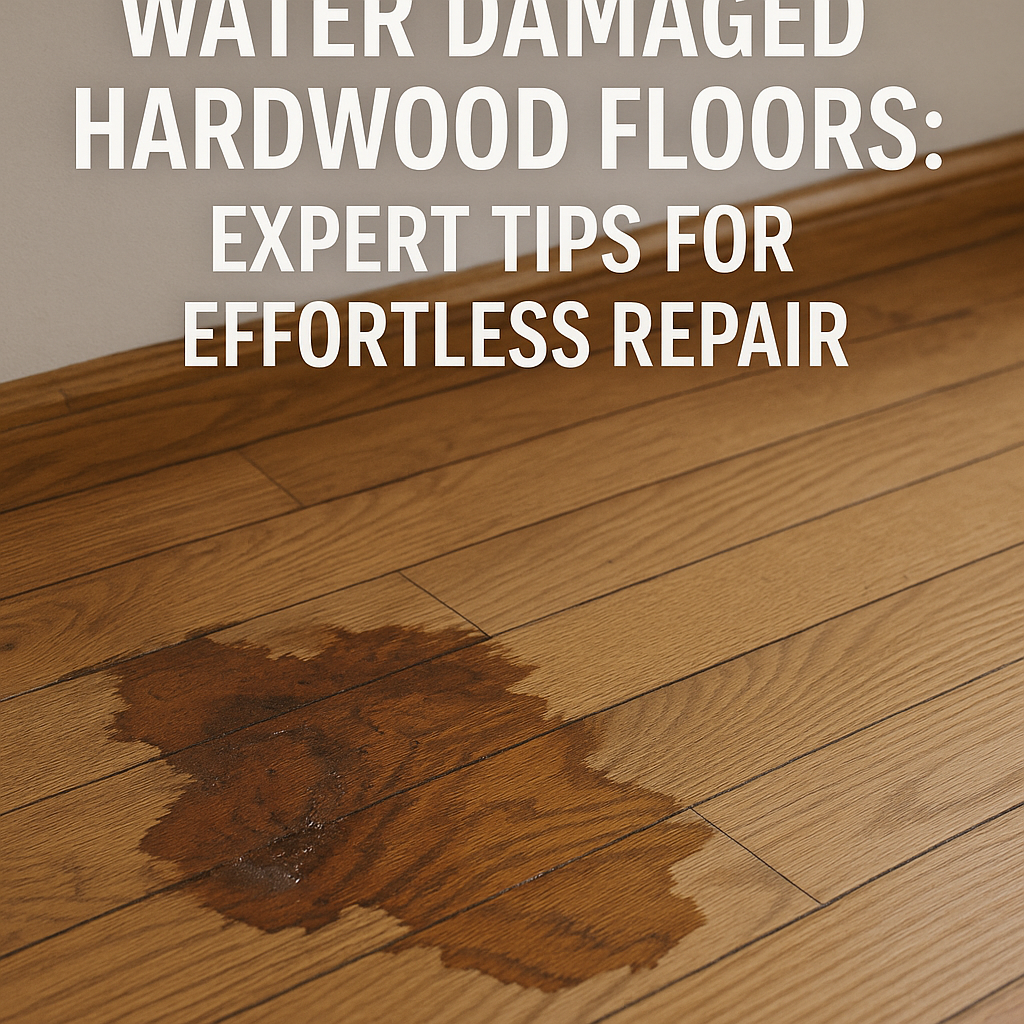
Before diving into the repair process, it’s important to understand what water damage entails. Hardwood floors are particularly susceptible to water because wood absorbs moisture. When water intrudes, it causes the wood to swell, warp, buckle, and in severe cases, leads to mold growth. The damage may not always be visible immediately; sometimes the floors look fine on the surface but hide serious problems underneath.
Identifying the extent of the damage is crucial as it determines the repair method. Light water damage might just require drying and refinishing, while severe cases may involve replacing entire sections of flooring.
Immediate Actions to Take When You Discover Water Damage
The first step when you notice water on your hardwood floors is to act quickly. The longer moisture remains on wood, the worse the damage becomes. Here’s what to do immediately:
– Remove standing water: Use a mop, towels, or a wet/dry vacuum to soak up and remove any visible water. Avoid using a regular vacuum as it can damage the appliance.
– Dry the floor thoroughly: Open windows and doors for ventilation and use fans and dehumidifiers to speed up the drying process. Maintaining airflow prevents mold growth and further wood damage.
– Inspect for warping or discoloration: Check if the wood planks are buckling or showing dark stains, which may indicate deeper problems.
Expert Tips for Repairing Water Damaged Hardwood Floors
1. Assess the Severity of the Damage
Start by determining the damage level:
– Minor damage: Slight warping, cupping, or small gaps between planks.
– Moderate damage: Larger buckled areas, noticeable stains, or warping affecting the integrity of the flooring.
– Severe damage: Soft spots, mold growth, or extensive buckling that may require plank replacement.
For minor to moderate damage, repair might only require sanding and refinishing, while severe damage may require professional help.
2. Drying and Dehumidifying is Key
Even after removing visible water, hidden moisture can linger beneath boards. Use high-quality dehumidifiers and fans to thoroughly dry the area for at least several days. Moisture meters can help monitor the floor’s dryness progress.
3. Sand and Refinish the Floor
Once completely dry, sanding can remove the damaged top layer and smooth out imperfections. Here’s how:
– Use a floor sander with coarse grit paper to get rid of stains and warped surface layers.
– Follow with finer grit sandpaper for a smooth finish.
– Vacuum and wipe the floor clean of all dust.
– Apply a wood stain or finish that matches your existing flooring.
– Add several coats of polyurethane for protection and shine.
4. Repair or Replace Damaged Planks
If you notice individual boards that are severely warped, cracked, or rotted, replacing them might be necessary:
– Carefully remove the damaged plank.
– Inspect the subfloor for water damage and repair if necessary.
– Insert a new hardwood plank matching the existing floor.
– Sand and refinish the replaced area to blend seamlessly.
5. Prevent Mold and Mildew
Water damage can invite mold growth, which affects both property and health. After drying, clean the floor using a solution of vinegar and water or a mold-specific cleaner to eradicate spores. Wearing protective gloves and masks during cleaning is recommended.
Long-Term Prevention of Water Damage
Preventing water damage is easier than repairing it. Consider these tips to protect your hardwood floors:
– Immediately wipe up spills and avoid excess water during cleaning.
– Use rugs or mats in areas prone to moisture such as kitchens and entryways.
– Regularly check plumbing and appliances for leaks.
– Ensure your home has good humidity control—ideally between 30-50%.
When to Call the Professionals
Sometimes, despite your best efforts, water damage can be beyond DIY repair. If the damage is extensive, the subfloor has been compromised, mold has spread, or you don’t have the right tools, seeking professional help is the safest option. Experts equipped with industrial drying equipment and repair expertise can restore your floors efficiently and safely.
—
Water damaged hardwood floors don’t have to spell disaster. By understanding the damage, acting quickly, and following these expert tips for repair, you can breathe new life into your floors with minimal hassle. Remember, timely intervention and proper maintenance are the keys to preserving the beauty and durability of your hardwood flooring for years to come.