
- Understanding Water Extraction Equipment
- Types of Water Extraction Equipment You Should Know
- 1. Submersible Pumps
- 2. Wet/Dry Vacuums
- 3. Carpet Extractors and Water Extractors
- 4. Dehumidifiers and Air Movers
- Why Investing in Quality Water Extraction Equipment Matters
- Behind-the-Scenes Tips for Using Water Extraction Equipment
- Assess Before You Extract
- Prioritize Safety Measures
- Start With Large Volume Removal
- Follow Up With Thorough Drying
- Maintain Your Equipment
- Conclusion
Water Extraction Equipment: Exclusive Must-Have Behind-the-Scenes Guide
Water extraction equipment plays a vital role in various industries and applications, from disaster recovery and restoration to construction and maintenance. Whether dealing with flood damage, leaks, or routine clean-ups, having the right water extraction tools can make a significant difference in efficiency, safety, and results. In this exclusive behind-the-scenes guide, we delve into the essential equipment you need to tackle water removal effectively, exploring their functions, benefits, and best uses.
Understanding Water Extraction Equipment
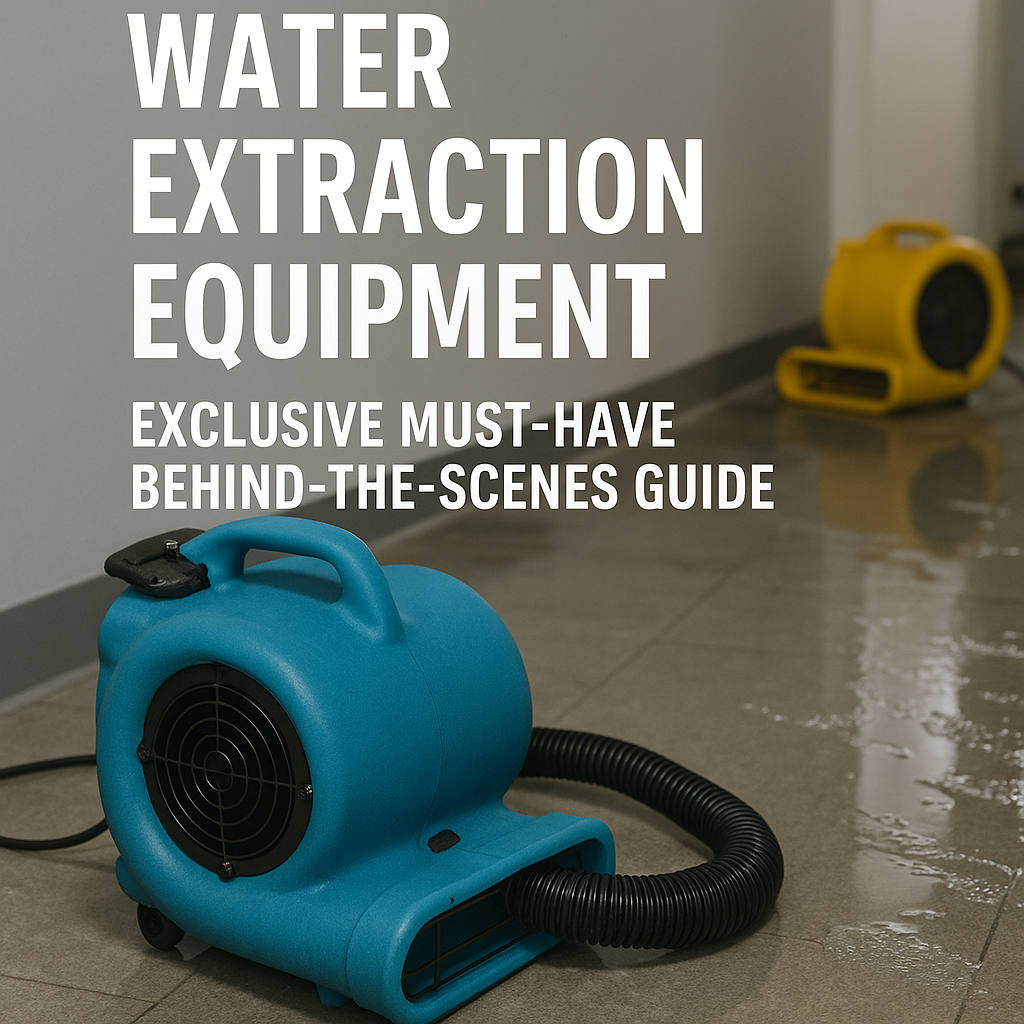
Water extraction equipment refers to a range of tools and machines designed to remove excess moisture and standing water from spaces. These devices are critical in preventing water damage, mold growth, and structural issues when liquid intrusion occurs. The choice of equipment depends on factors such as the volume of water, the affected area’s size, and the type of surface involved.
Professionals in restoration, cleaning, and maintenance rely on specialized water extraction gear to restore environments swiftly and safely. Knowing which equipment to use and how to operate it ensures the removal process is thorough and minimizes secondary damage.
Types of Water Extraction Equipment You Should Know
1. Submersible Pumps
One of the primary tools for water removal is the submersible pump. These pumps are designed to operate underwater, efficiently pumping out large quantities of water from flooded areas like basements, crawl spaces, and pools. Their durability and powerful motors make them indispensable for heavy-duty water extraction tasks.
2. Wet/Dry Vacuums
Wet/dry vacuums are versatile machines capable of sucking up both solids and liquids. In water extraction, they are useful for smaller-scale cleanups or areas where the use of large pumps is impractical. Their portability and ease of use make them a go-to option for quick water removal and in tight spaces.
3. Carpet Extractors and Water Extractors
For water extraction from carpets and upholstery, specialized extractors are employed. These machines inject hot water or cleaning solution into the fabric and then vacuum it back up along with moisture, dirt, and contaminants. They are essential in the restoration process after water damage to prevent mold and restore aesthetics.
4. Dehumidifiers and Air Movers
While not extracting water directly, dehumidifiers and air movers are crucial complementary equipment. After water removal, these devices dry out lingering moisture in the air and on surfaces, preventing mold spores and structural deterioration. Industrial-grade dehumidifiers can dramatically reduce drying times and improve indoor air quality post-extraction.
Why Investing in Quality Water Extraction Equipment Matters
Using subpar or incorrect water extraction tools can extend restoration timelines, increase costs, and even pose safety risks. High-quality equipment, on the other hand, offers several advantages:
– Efficiency: Powerful extraction pumps and vacuums remove water quickly, reducing downtime.
– Comprehensive Drying: When used alongside drying equipment, moisture removal is thorough, preventing mold.
– Safety: Industrial-grade machine designs include safety features that protect operators and reduce electrical hazards.
– Durability: Reliable equipment withstands harsh, wet environments and frequent use without breakdowns.
For businesses in restoration, property management, or facility maintenance, investing in premium water extraction machines is an investment in professionalism and customer satisfaction.
Behind-the-Scenes Tips for Using Water Extraction Equipment
Assess Before You Extract
Before jumping into water removal, it’s important to evaluate the situation. Identify the water source, measure water levels, and inspect for hazards like electrical issues or structural instability. This assessment will guide the best equipment choice and extraction method.
Prioritize Safety Measures
Water and electricity are a dangerous combination. Always cut power to affected areas before starting extraction, and wear appropriate protective gear, including waterproof boots and gloves. Use equipment with built-in safety features and ensure proper grounding.
Start With Large Volume Removal
Begin the extraction process by removing the majority of standing water with pumps or wet/dry vacuums. This step opens up the area for effective drying and prevents further water absorption into materials.
Follow Up With Thorough Drying
Extracting water is only half the job. Use industrial dehumidifiers and air movers to dry out walls, floors, and hidden cavities. Monitor moisture levels with specialized meters to confirm complete drying and prevent secondary damage.
Maintain Your Equipment
Regular cleaning, inspections, and servicing of water extraction equipment extend their life and maintain peak performance. Pay attention to filters, hoses, pump seals, and electrical components.
Conclusion
Water extraction equipment is an indispensable part of any effective water damage mitigation and restoration process. From powerful submersible pumps to precision carpet extractors, the right tools simplify water removal, speed up drying, and safeguard property from further damage. By understanding the functions and best practices behind these devices, professionals and property owners alike can confidently handle water intrusion crises.
Staying informed about the latest developments in water extraction technology and maintaining high safety standards ensures that when water challenges arise, you’re equipped to manage them efficiently and effectively. This exclusive guide brings you behind the scenes of essential water extraction equipment—knowledge that’s truly a must-have in the battle against unwanted water.