
- Understanding the Types of Water Damage
- 1. Clean Water Damage
- 2. Grey Water Damage
- 3. Black Water Damage
- Common Causes of Water Damage
- Signs You Might Have Water Damage
- How to Prevent Water Damage and Avoid Costly Repairs
- Regular Inspections
- Proper Drainage Management
- Immediate Repairs
- Install Water Detection Devices
- Maintain HVAC Systems
- What to Do If You Experience Water Damage
- Conclusion
Types of Water Damage: Must-Have Guide to Avoid Costly Repairs
Water damage is one of the most common and costly problems faced by homeowners and businesses alike. Understanding the various types of water damage is crucial for timely intervention and prevention of expensive repairs. In this comprehensive guide, we will explore the different forms water damage can take, the risks they pose, and essential tips to minimize their impact on your property.
Understanding the Types of Water Damage
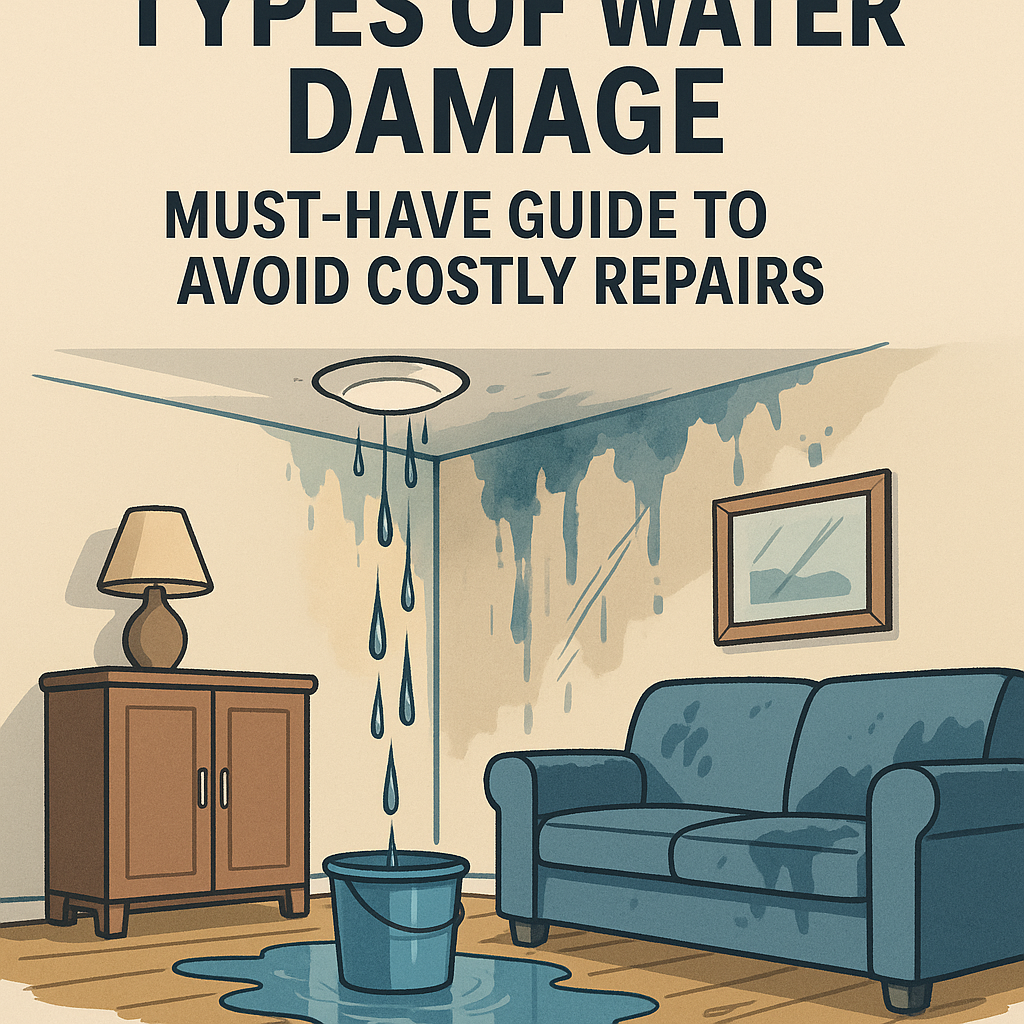
There are several categories of water damage based on the source and severity of the contamination. Recognizing the type of water involved helps determine the appropriate response and repair strategies.
1. Clean Water Damage
Clean water damage refers to water coming from a clean, sanitary source. Examples include water from broken pipes, leaking faucets, or rainwater entering through a damaged roof. Although considered the least hazardous, clean water can still cause significant structural deterioration and mold growth if left unaddressed.
2. Grey Water Damage
Grey water damage involves water that is contaminated but not highly toxic. Sources include washing machine discharges, dishwasher leaks, or sinks. This type of water may contain bacteria, food, or cleaning products and can lead to health issues if improperly handled. Immediate cleanup and disinfection are vital to prevent further contamination.
3. Black Water Damage
Black water is the most severe form of water damage. It originates from sewage backups, flooding from rivers, or storm surges and contains harmful bacteria, viruses, and chemicals. Exposure to black water poses serious health risks, requiring professional remediation services to ensure safety and thorough decontamination.
Common Causes of Water Damage
Knowing the typical causes of water damage can help in taking preventive measures effectively.
– Plumbing Failures: Burst pipes, faulty valves, or clogged drains can lead to sudden water intrusion.
– Natural Disasters: Floods, hurricanes, and heavy rains can overwhelm drainage systems causing extensive water damage.
– Appliance Leaks: Malfunctioning dishwashers, washing machines, or water heaters often leak unnoticed over time.
– Roof and Window Leaks: Damaged or poorly sealed roofs and windows can let rainwater seep inside.
– Poor Drainage Systems: Improper grading or clogged gutters can cause water to pool around a property’s foundation.
Signs You Might Have Water Damage
Early detection of water damage can save thousands in repairs. Here are some warning signs:
– Musty or damp odors
– Visible stains or discoloration on walls and ceilings
– Warped floors or peeling paint
– Mold or mildew growth
– Unexplained increase in water bills
– Presence of standing water or persistent dampness
How to Prevent Water Damage and Avoid Costly Repairs
Avoiding costly repairs starts with proactive maintenance and quick responses to water-related issues.
Regular Inspections
Conduct periodic inspections of plumbing systems, appliances, roofing, and foundation to identify potential issues before they escalate.
Proper Drainage Management
Keep gutters, downspouts, and yard grading clear and functioning to divert water away from your home.
Immediate Repairs
Fix leaks and cracks in pipes, roofs, and walls promptly to prevent moisture accumulation.
Install Water Detection Devices
Consider using water sensors and automatic shutoff valves that alert you of leaks or shut off the water supply when leaks occur.
Maintain HVAC Systems
Ensure your heating and cooling systems, which can contribute to moisture buildup if malfunctioning, are serviced regularly.
What to Do If You Experience Water Damage
If water damage occurs, act quickly to minimize harm:
1. Ensure Safety: Turn off electricity in affected areas and avoid contact with contaminated water.
2. Stop the Source: Identify and stop the flow of water if possible.
3. Remove Excess Water: Use pumps, wet vacuums, or mops to remove standing water.
4. Dry and Dehumidify: Use fans and dehumidifiers to dry affected areas thoroughly.
5. Sanitize and Disinfect: Clean and disinfect to prevent mold and bacteria growth.
6. Consult Professionals: For extensive or black water damage, hire certified water damage restoration experts.
Conclusion
Knowing the types of water damage and their implications is vital to protect your property and health. Swift identification, prevention strategies, and prompt action can significantly reduce the risk of costly repairs and long-term damage. Stay vigilant, maintain your home’s infrastructure, and never hesitate to seek professional help when water damage strikes. This proactive approach ensures a safe and comfortable living environment, free from the hidden dangers of water-related problems.